CHUÍ TO PUNTA DEL DIABLO
CHUÍ TO PUNTA DEL DIABLO
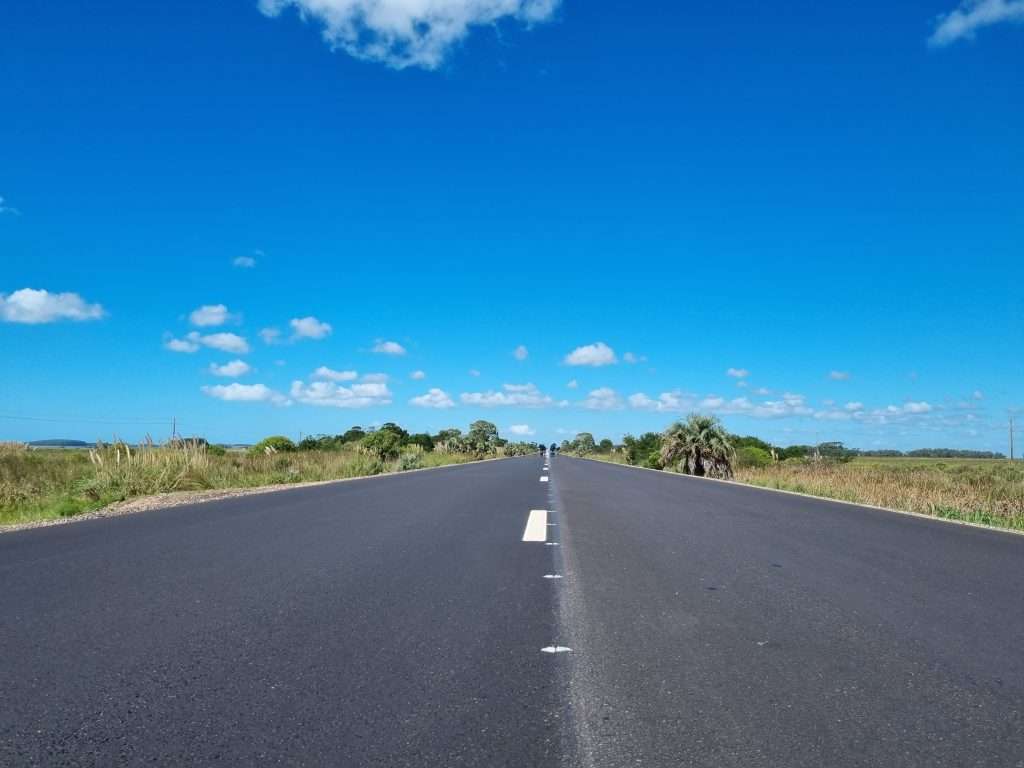
Cycling from Uruguay to Argentina – The Beginning
Tips for Cycling Along the Coast of Uruguay
- Get a local SIM card: Ensure you stay connected by purchasing a local SIM card. Companies like Antel offer good coverage in most areas.
- Carry plenty of water: The coastal areas can get hot, mainly during the summer. Make sure to hydrate and carry enough water for the day.
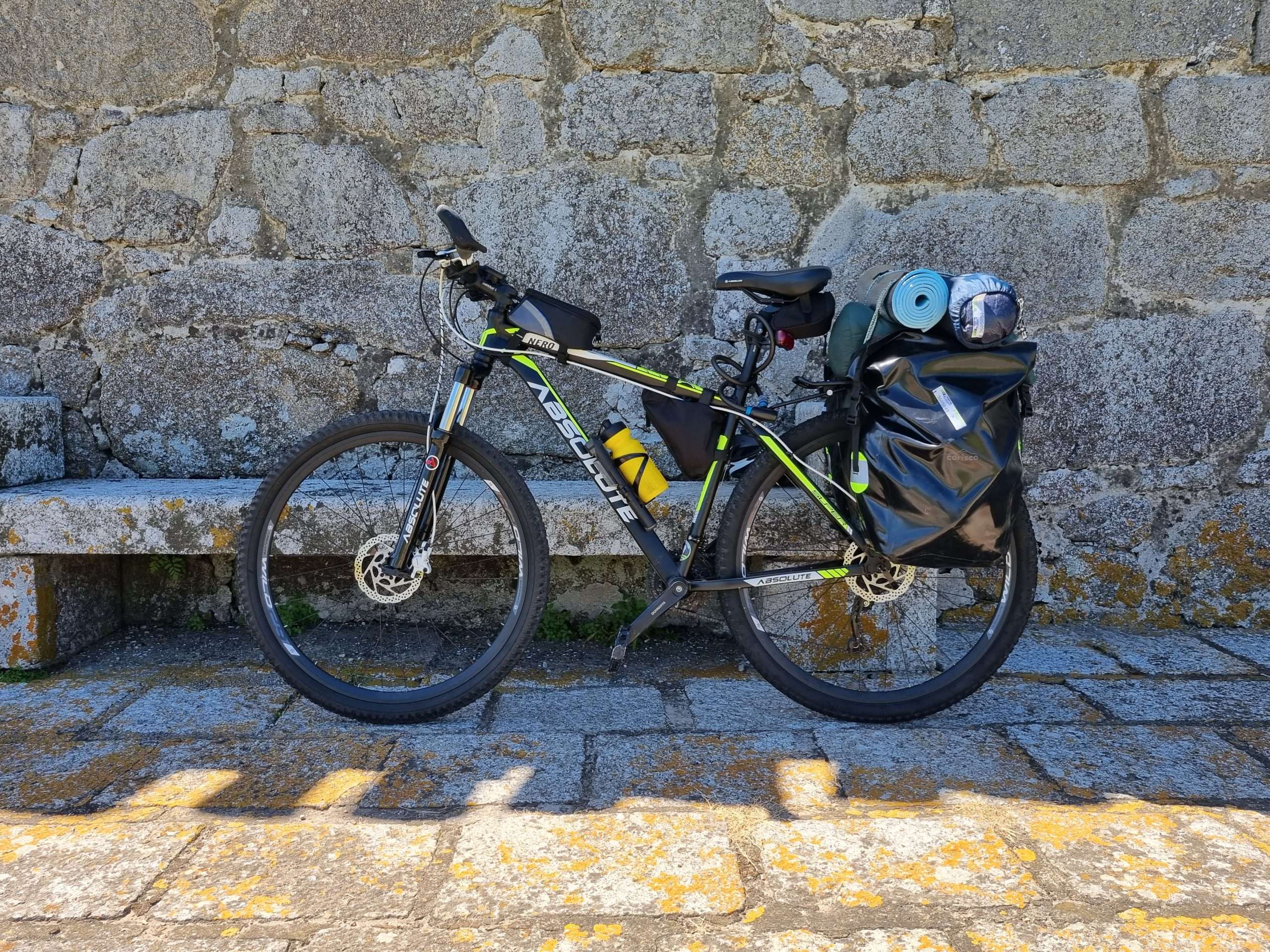
- Pack camping gear: Waterproof panniers, a lightweight tent, a sleeping bag, and a thermal mat are essential for a comfortable experience.
- Protect against the sun: Use sunscreen, sunglasses, and a wide-brim hat to shield yourself from the strong sun along the coast.
- Check the wind forecast: The wind can impact your cycling pace. Plan your days considering the direction and strength of the wind.
- Bring tools and spare parts: A basic toolkit, spare inner tubes, and a pump are crucial for bike maintenance during your journey.
- Stock up on snacks: Pack high-energy snacks, especially if you plan to ride through stretches with limited access to shops.
- Research campsites: Uruguay offers several great camping options. Plan your stops to ensure availability.
- Learn basic Spanish: A few phrases in Spanish can help you navigate local shops, ask for directions, and connect with locals.
- Check your bike thoroughly: Before starting, ensure your bike is in excellent condition, focusing on brakes, tires, and gears.
I kicked off my cycling journey between Uruguay and Argentina in March 2022, but the preparation started much earlier. By the end of 2021, I was already training hard—running, cycling, and hitting the gym—to get ready for this adventure.
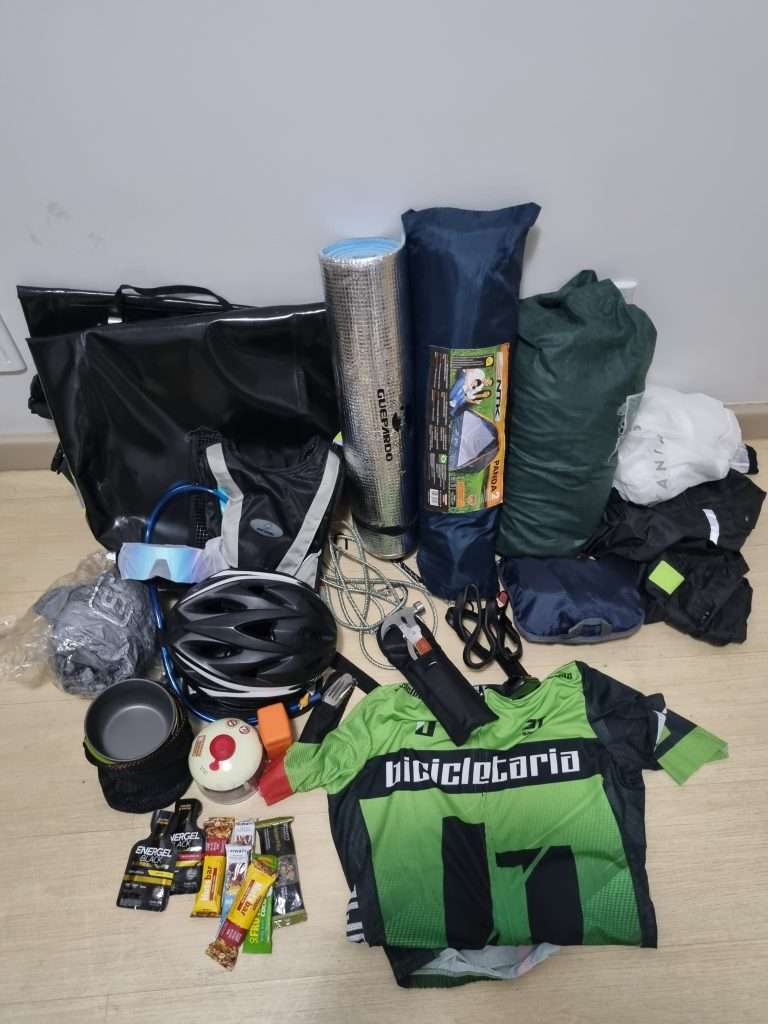
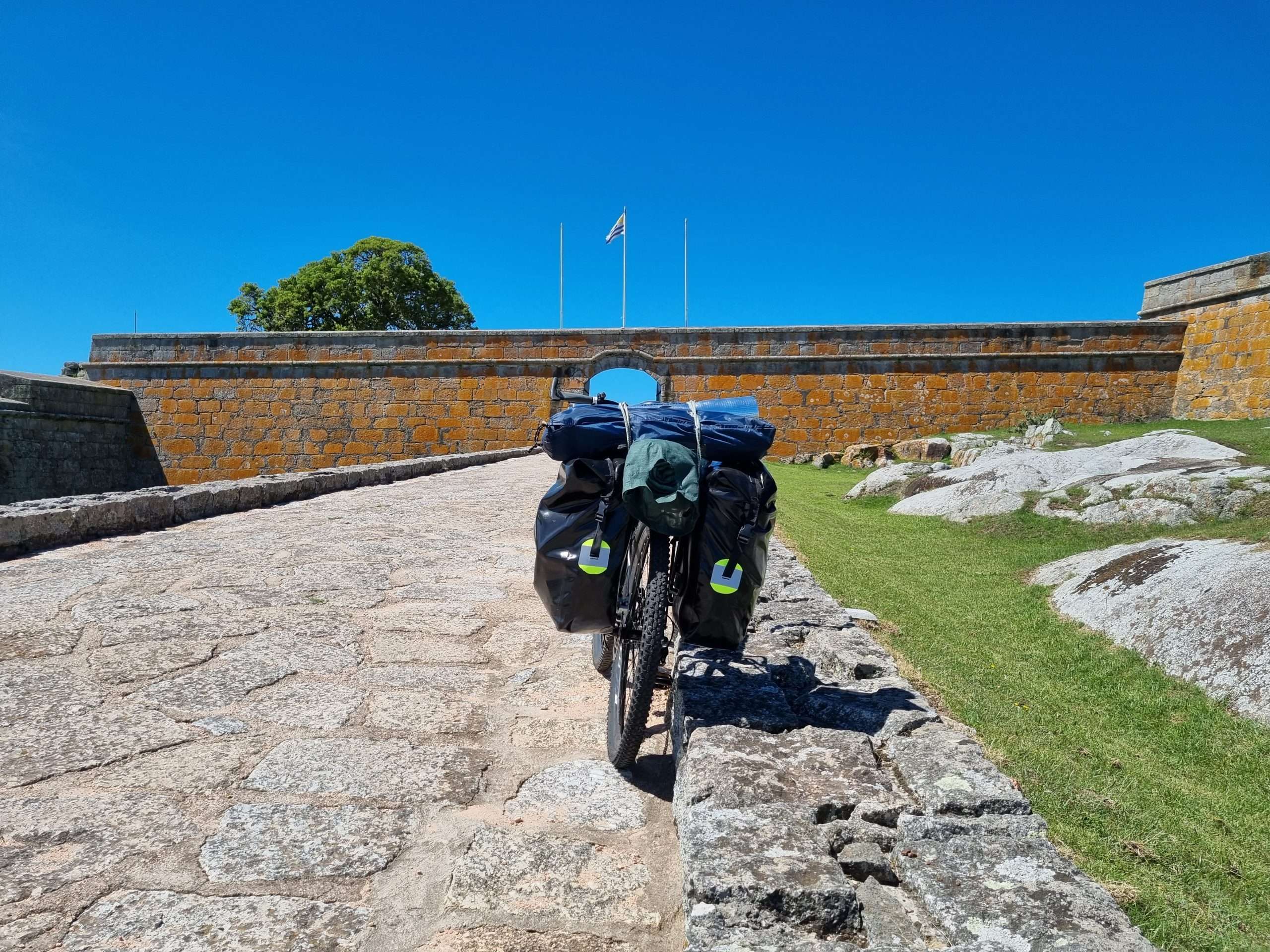
Learning from my previous ride between Criciúma and Florianópolis, where my non-waterproof panniers left all my clothes and gear soaked after a heavy rain, I invested in proper equipment. I bought two waterproof panniers to carry clothes, tools, a camping stove, food, and other essentials. My gear also included a sleeping bag, a tent, and a thermal mat for added comfort.
I also researched and purchased a much sturdier rainproof cycling jacket, far better than my old one that failed me miserably on the Criciúma to Florianópolis trip. That experience taught me valuable lessons—ones I wouldn’t repeat this time around!
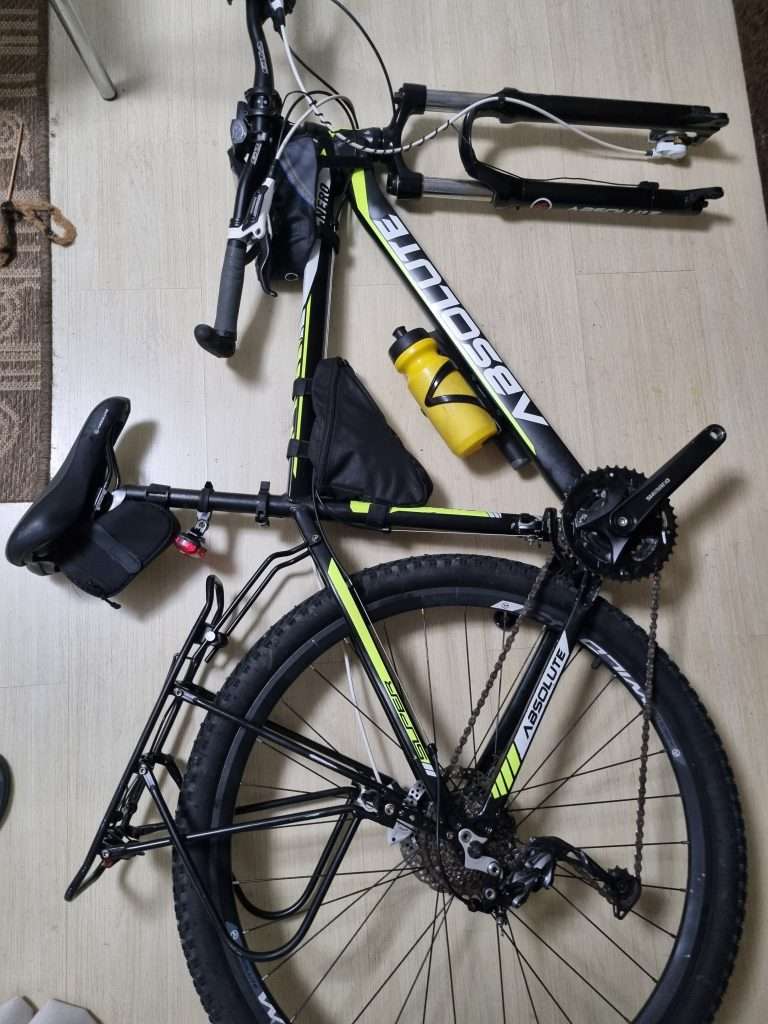
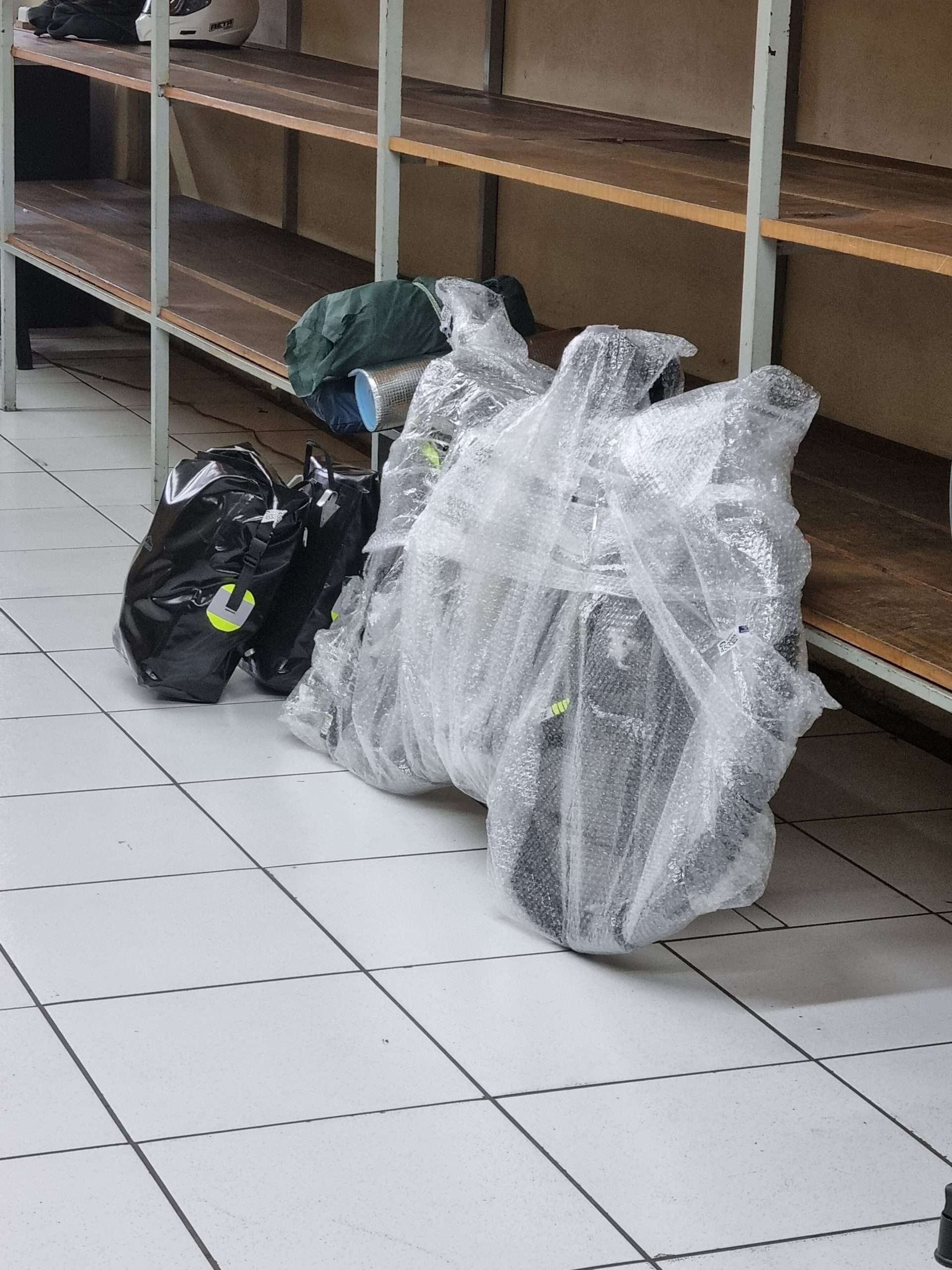
The journey began with a long bus ride. I packed and disassembled my bike before catching a midnight bus from Criciúma to Porto Alegre. From there, I boarded another bus bound for Chuí—the southernmost city in Brazil, right on the border with Uruguay.
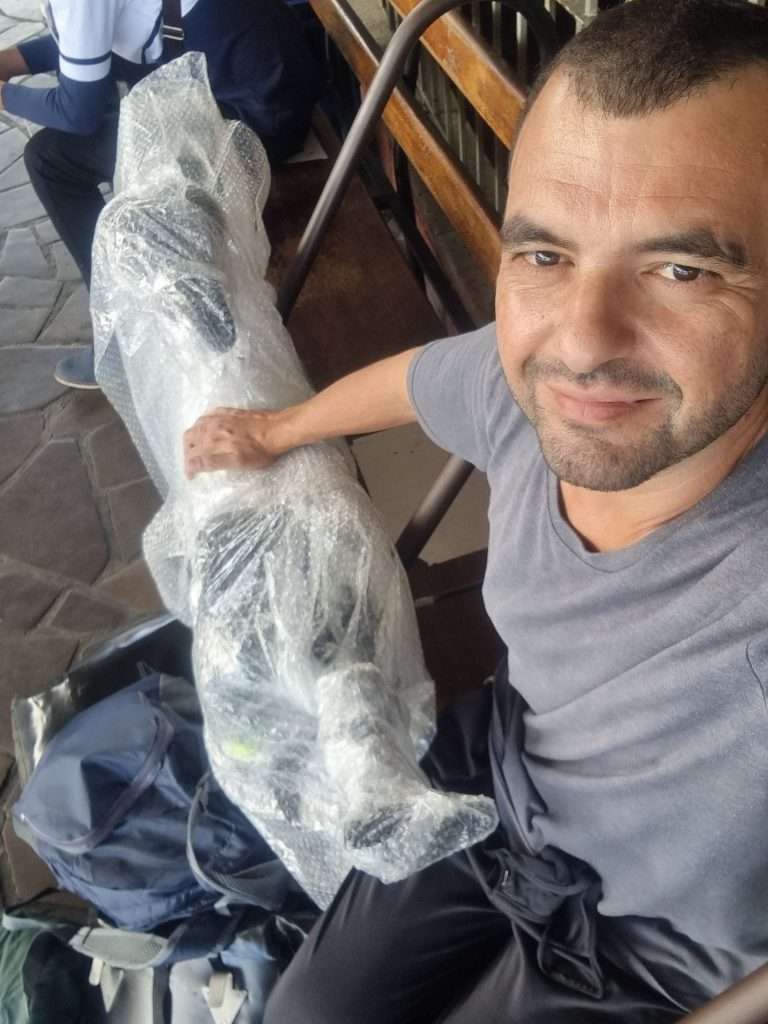
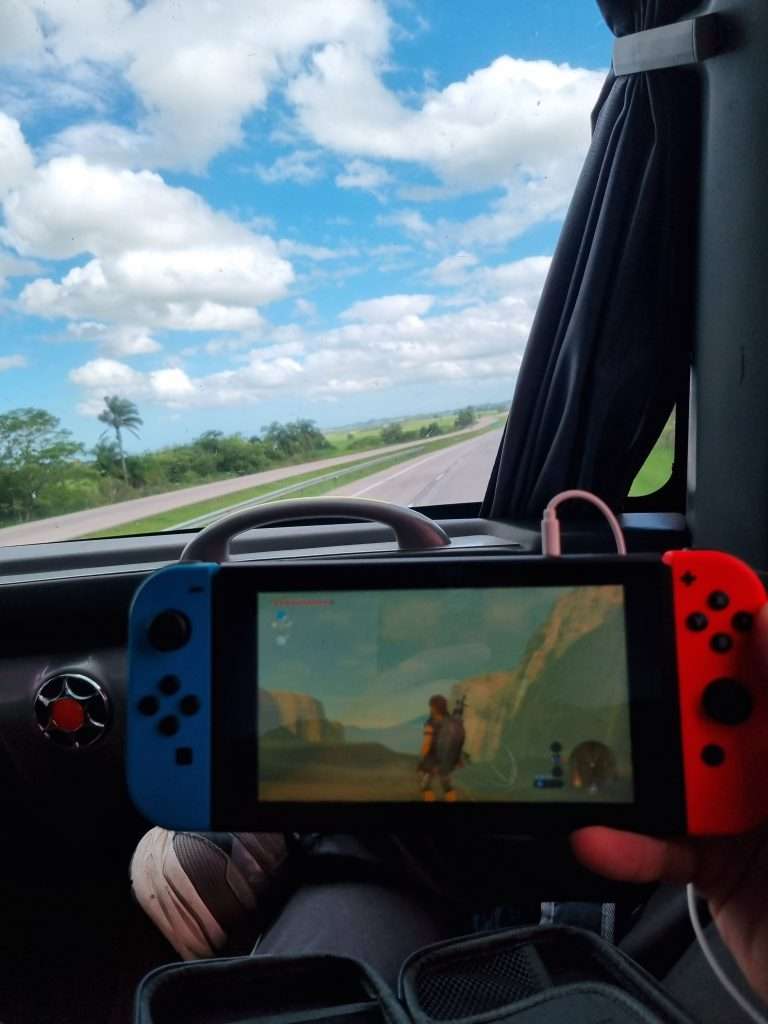
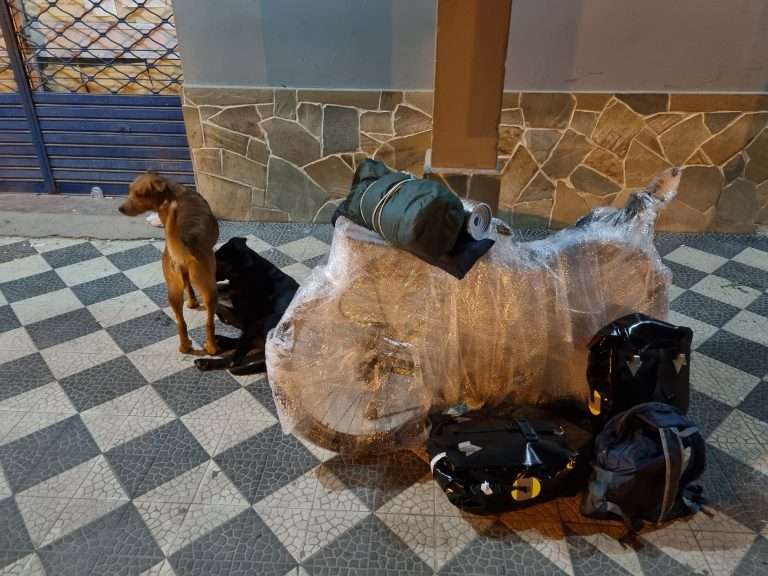
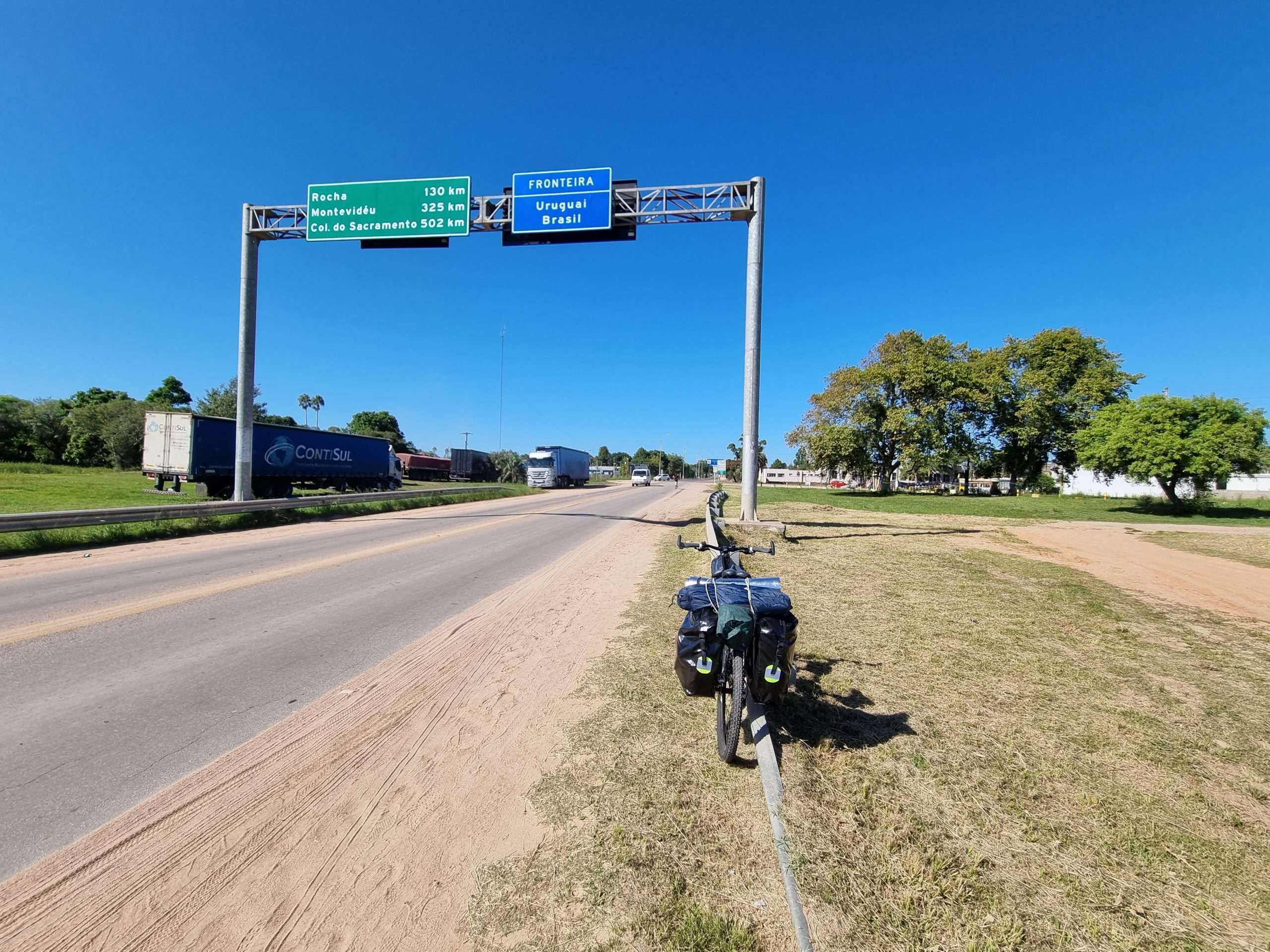
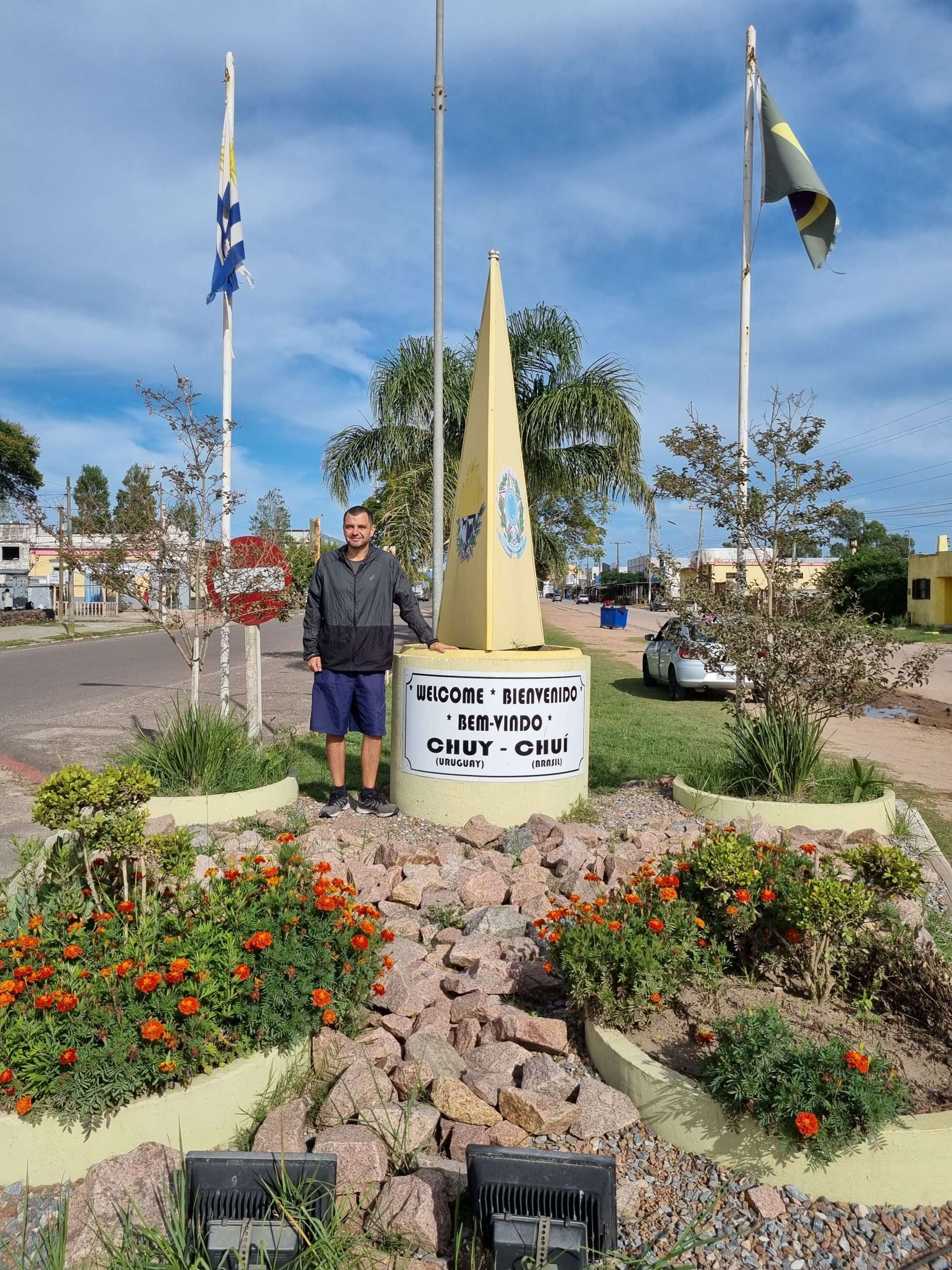
I arrived in Chuí late at night and found myself assembling my bike at a completely empty bus station, with only a few stray dogs for company. Once my bike was ready, I headed straight to an Airbnb I had pre-booked across the border in Chuy, Uruguay, just before the country’s customs checkpoint.
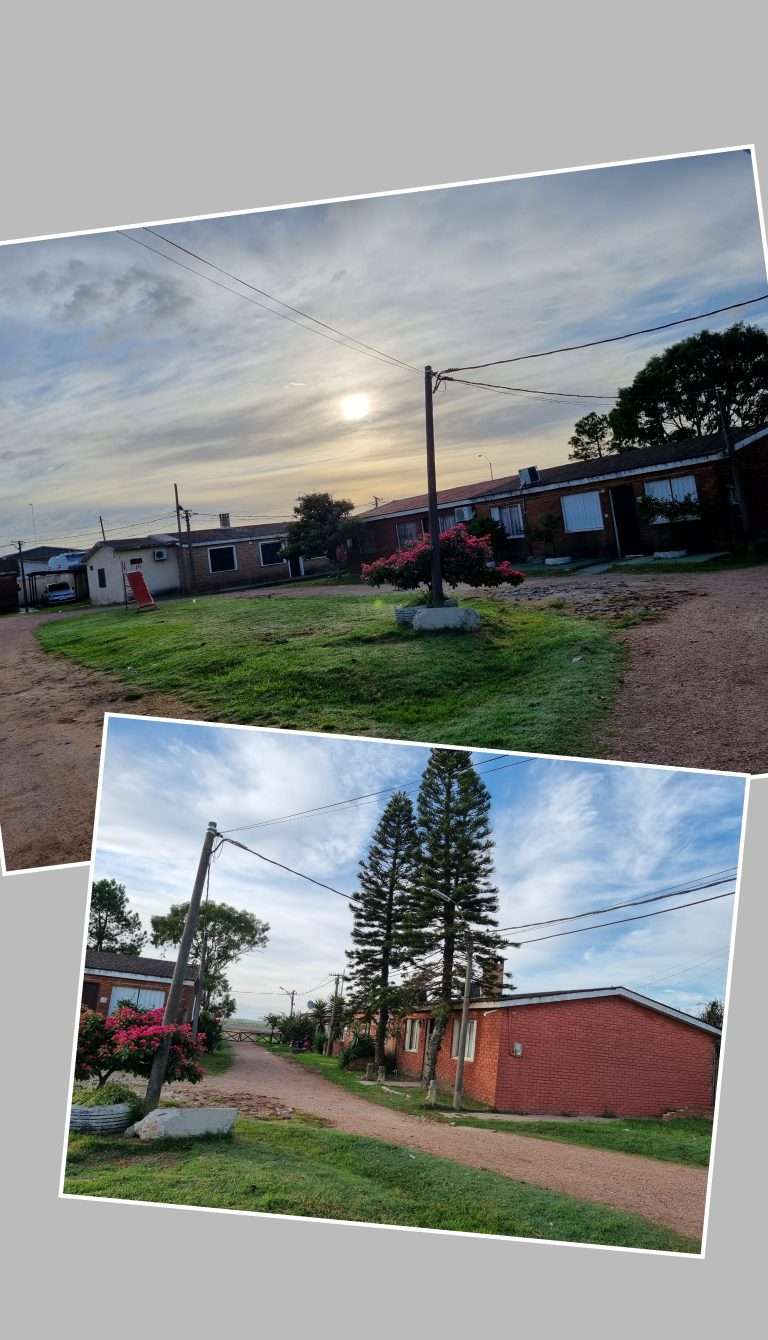
I was warmly welcomed by Diana, the host, who spoke fluent Portuguese thanks to her job at a shop on the Brazilian border. Her son, Matias, appeared shy at first, responding to my questions with just a nod. However, everything changed when I switched to Spanish—after all, I was about to embark on a journey through Spanish-speaking territory. Suddenly, Matias opened up, talking about everything, especially football. He was an enthusiastic Peñarol fan and couldn’t stop praising his idol, Luis Suárez, who would later go on to play a season for Grêmio (my team) in 2023. It was a great icebreaker and the perfect opportunity for me to practice the language.
Finalizing the preparations
The next day was reserved for final preparations. I started with a stop at the bank to exchange some money, as back then, I still relied more on cash than cards during my travels. Afterward, I picked up a local SIM card for my phone, something that would be essential for staying connected on the road. I also bought a camping mug, an essential piece of gear for enjoying a good coffee at my campsites.
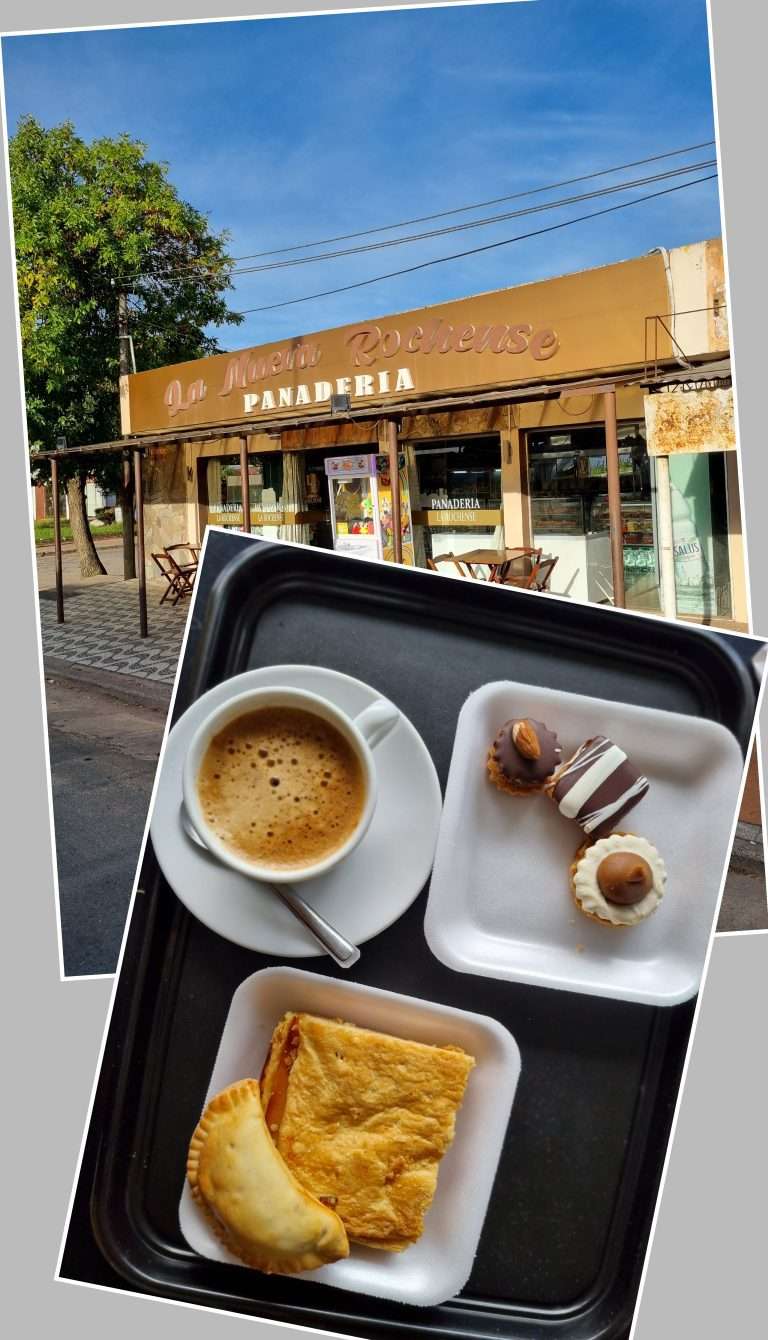
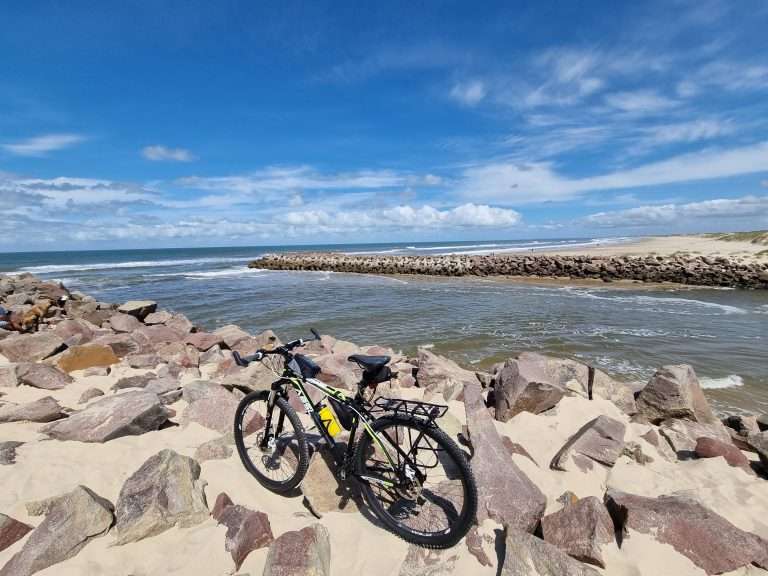
Before continuing the journey, I couldn’t miss my first Uruguayan breakfast at a local bakery. The sweets, empanadas, and the cozy atmosphere felt like the perfect beginning to this adventure. Later in the morning, I took a short ride to the Barra del Chuí, where I got to see the natural border dividing Brazil and Uruguay. It felt like a symbolic farewell to my home country and the official start of the journey ahead.
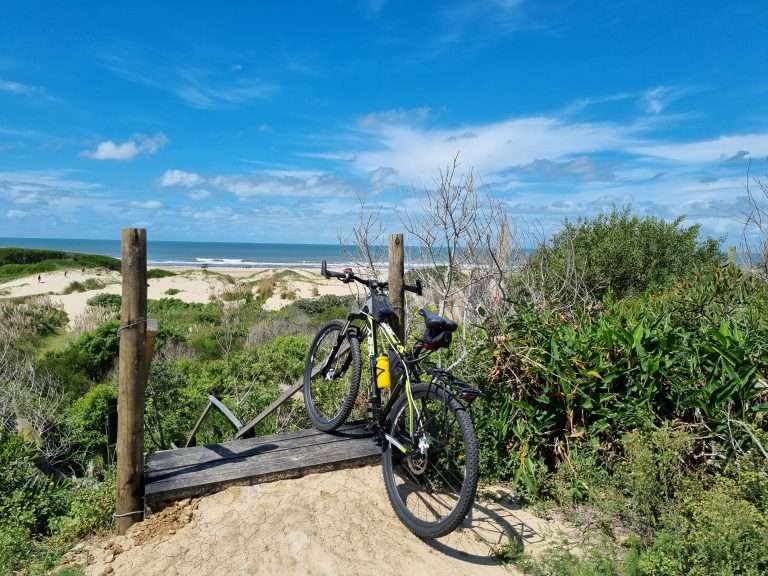
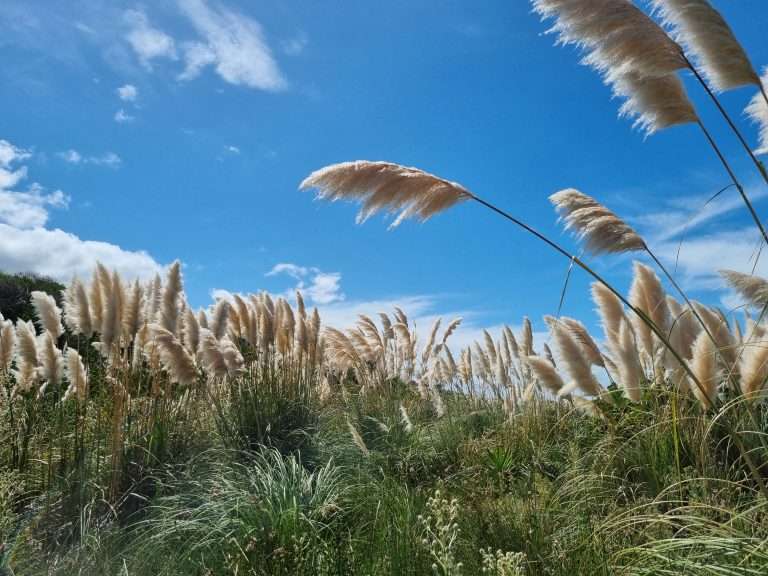
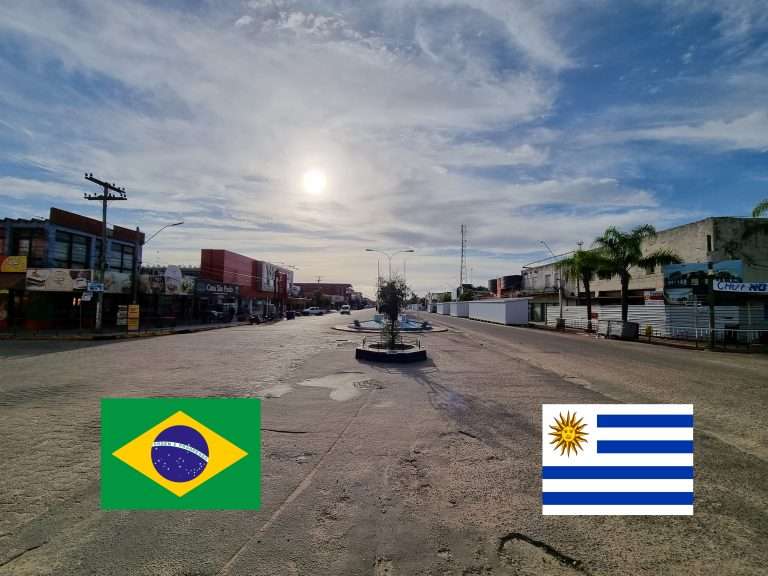
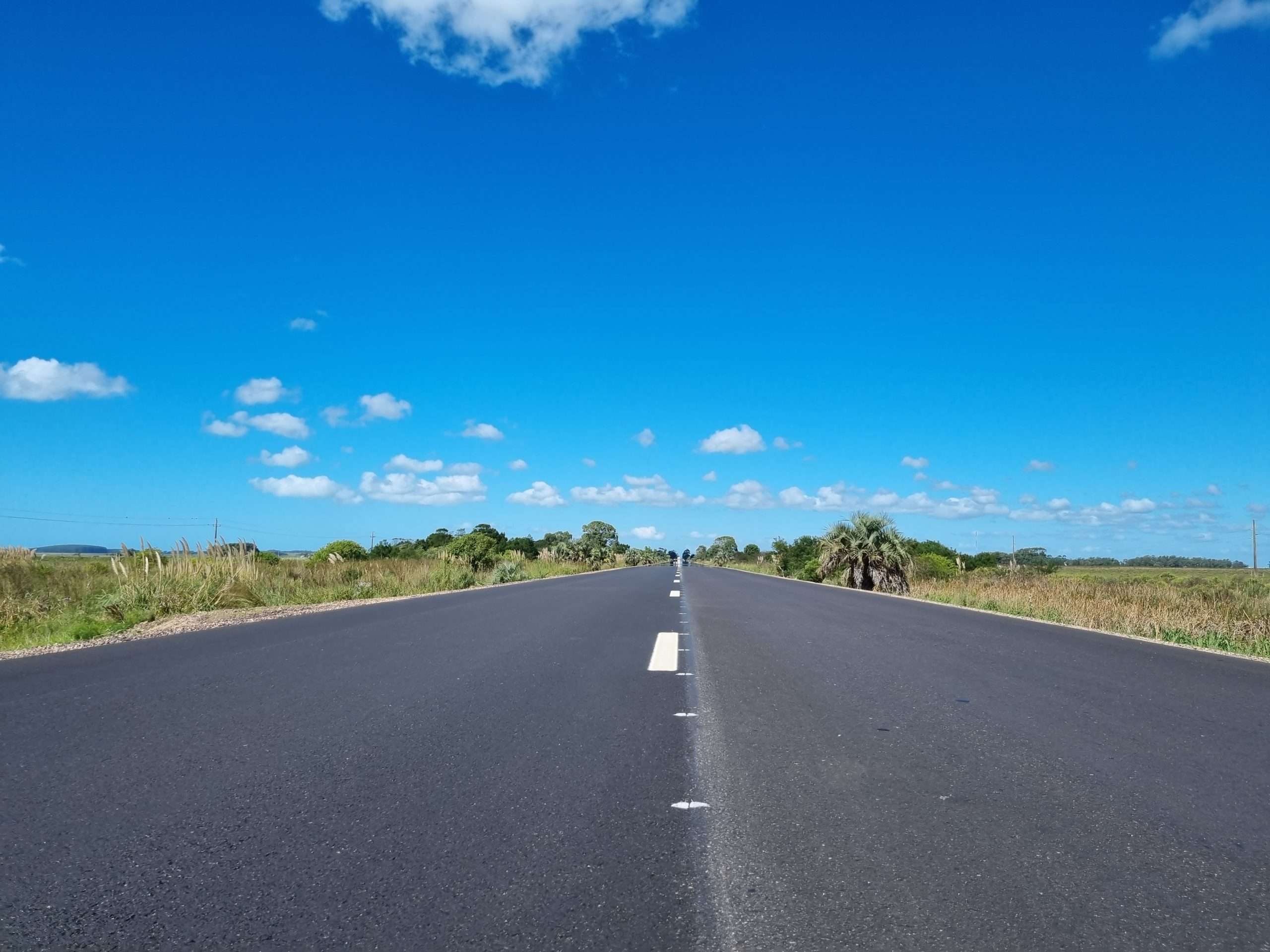
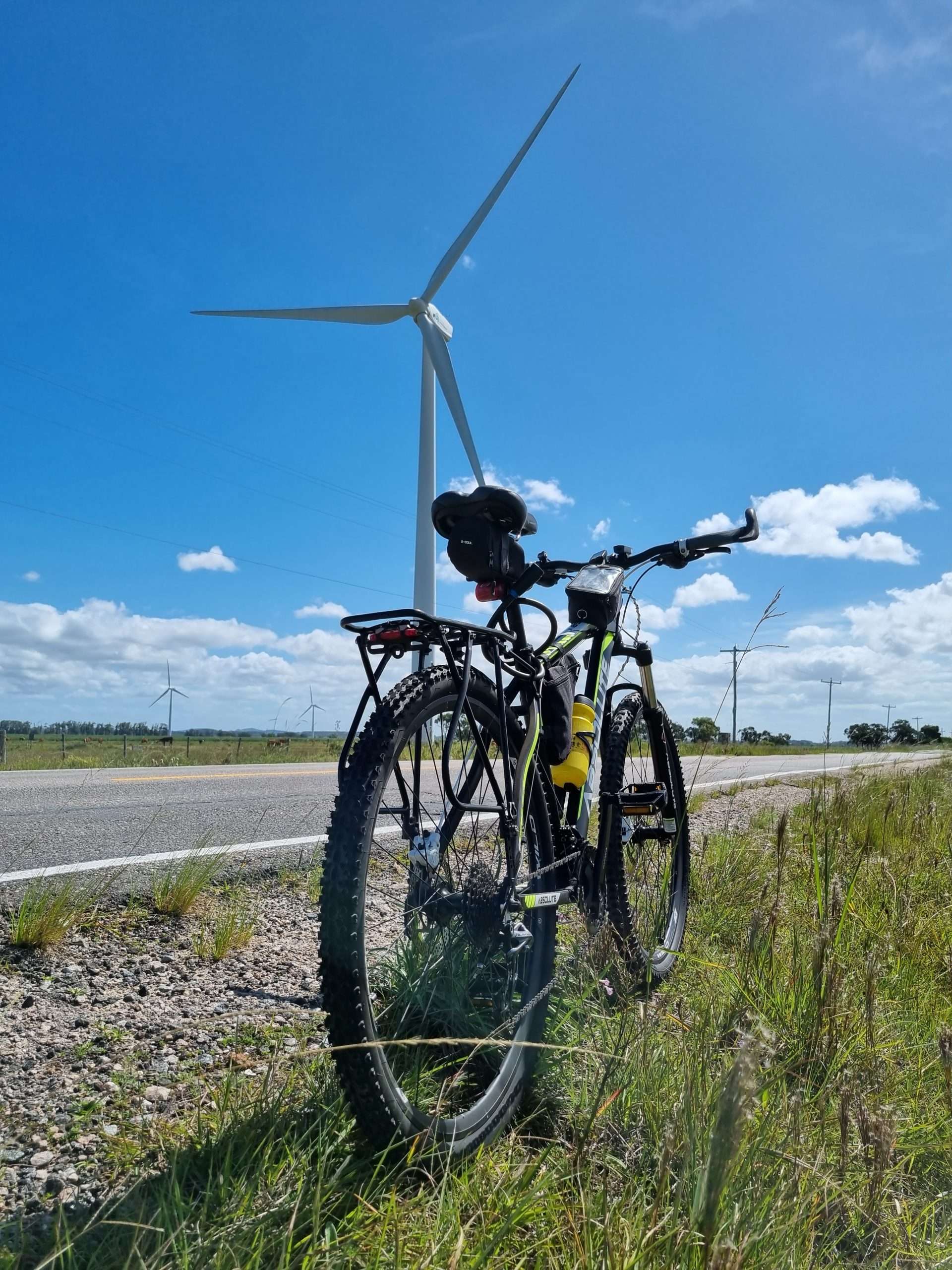
After a second night in Chuy, I woke up early, packed my fully loaded bike, and pedaled to the border checkpoint for the final customs procedures. At last, I was riding officially on Ruta 9, heading south. The weather was perfect—sunny, with little headwind—and the feeling of disbelief hit me hard. Was this really happening? Was I truly pedaling south through Uruguay, as I had dreamed for so long?
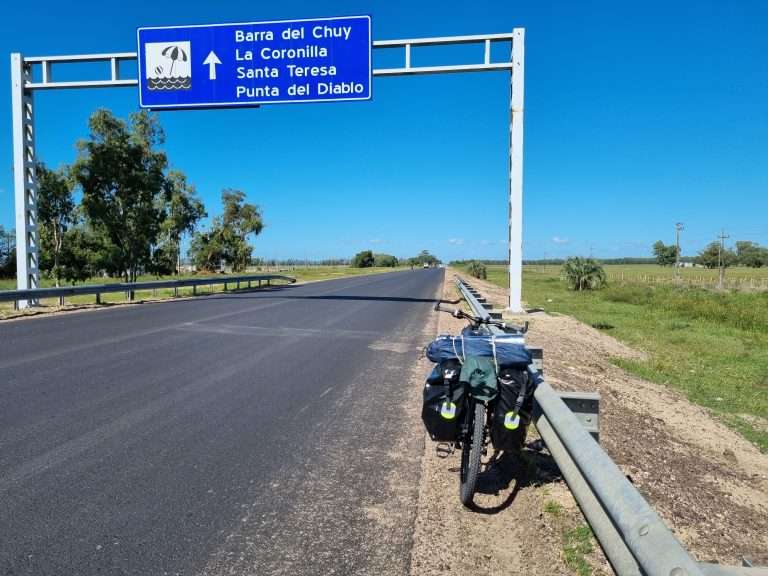
That sense of wonder was abruptly interrupted by a bee sting just as I left the customs area. It wasn’t pleasant, but it gave me the perfect chance to practice my first curse words in Spanish.
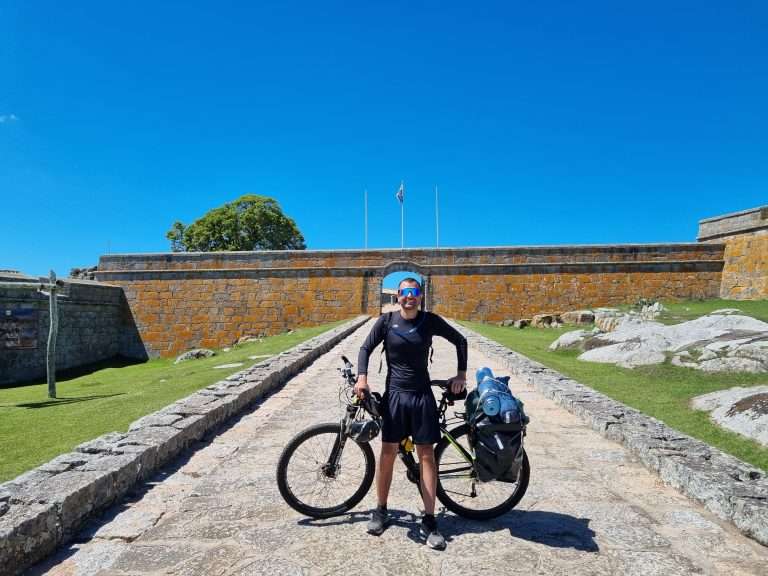
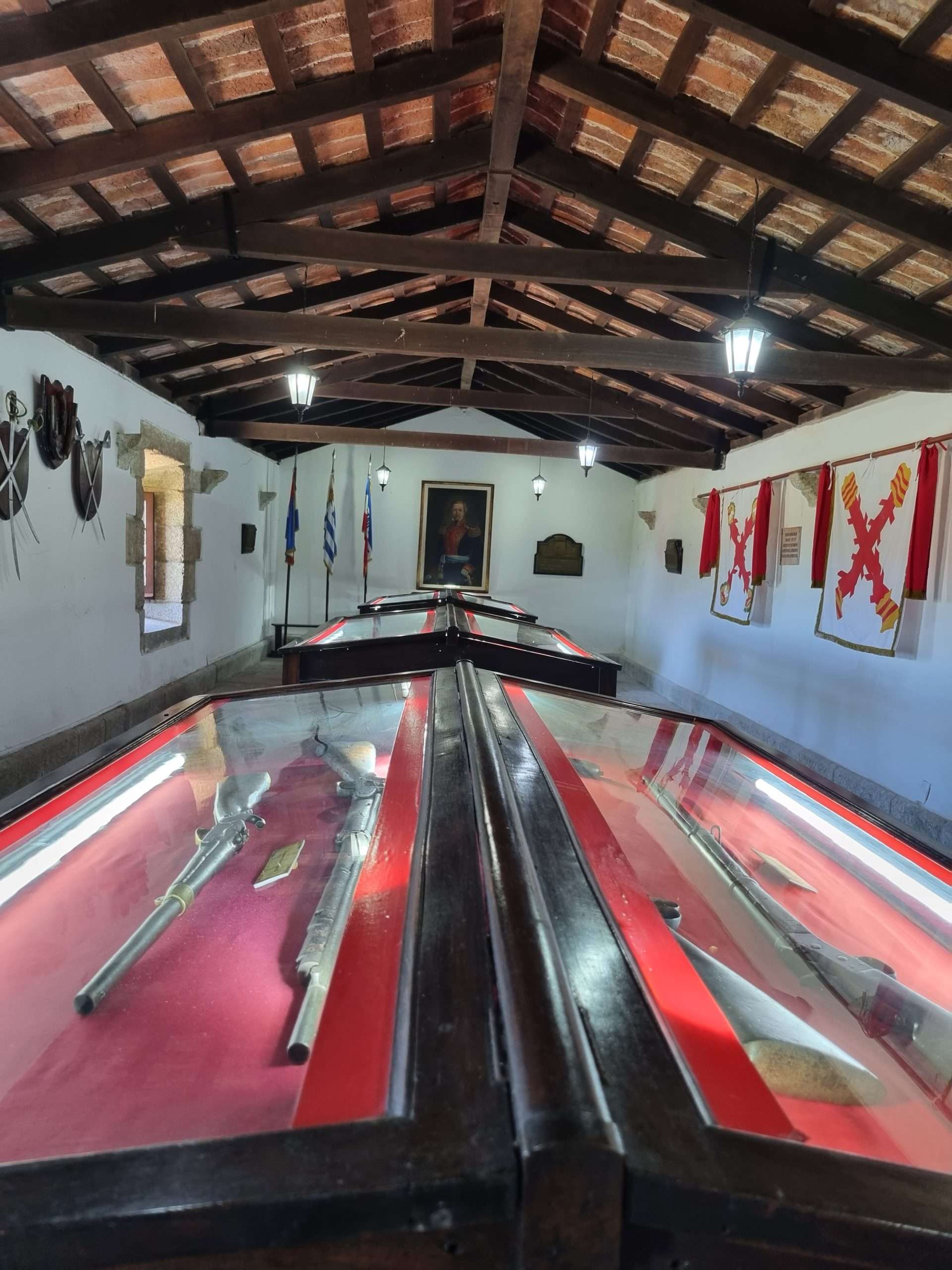
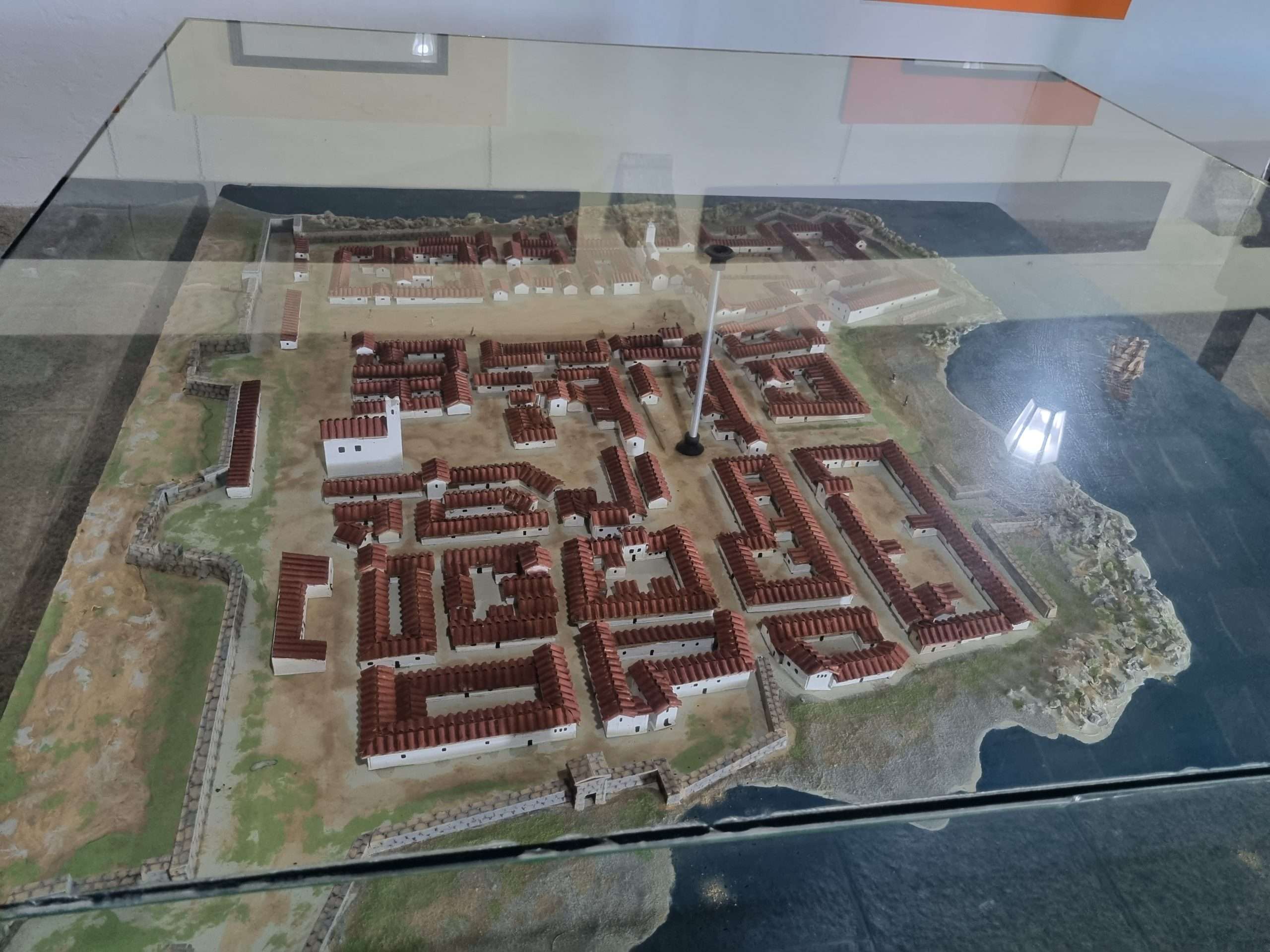
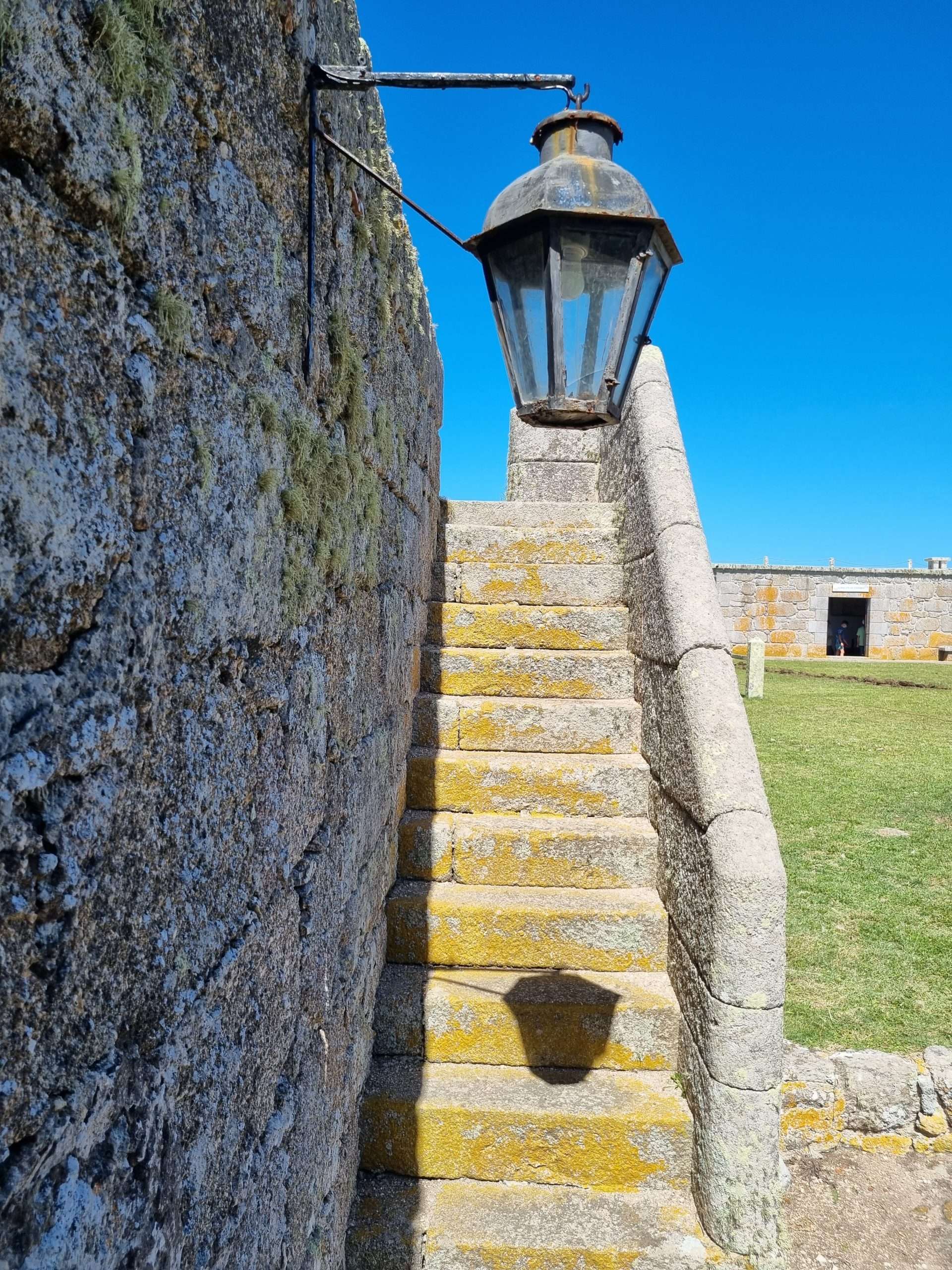
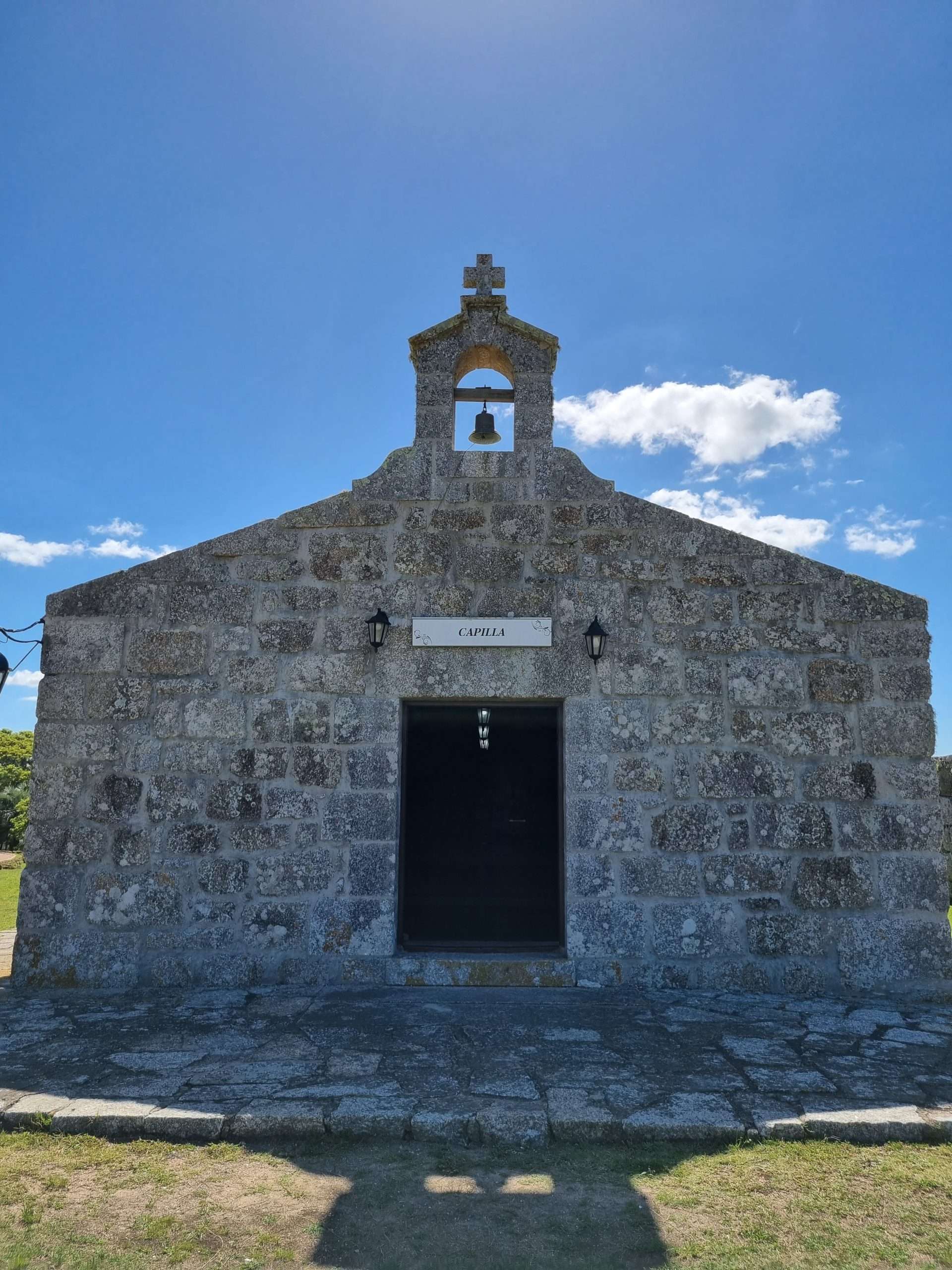
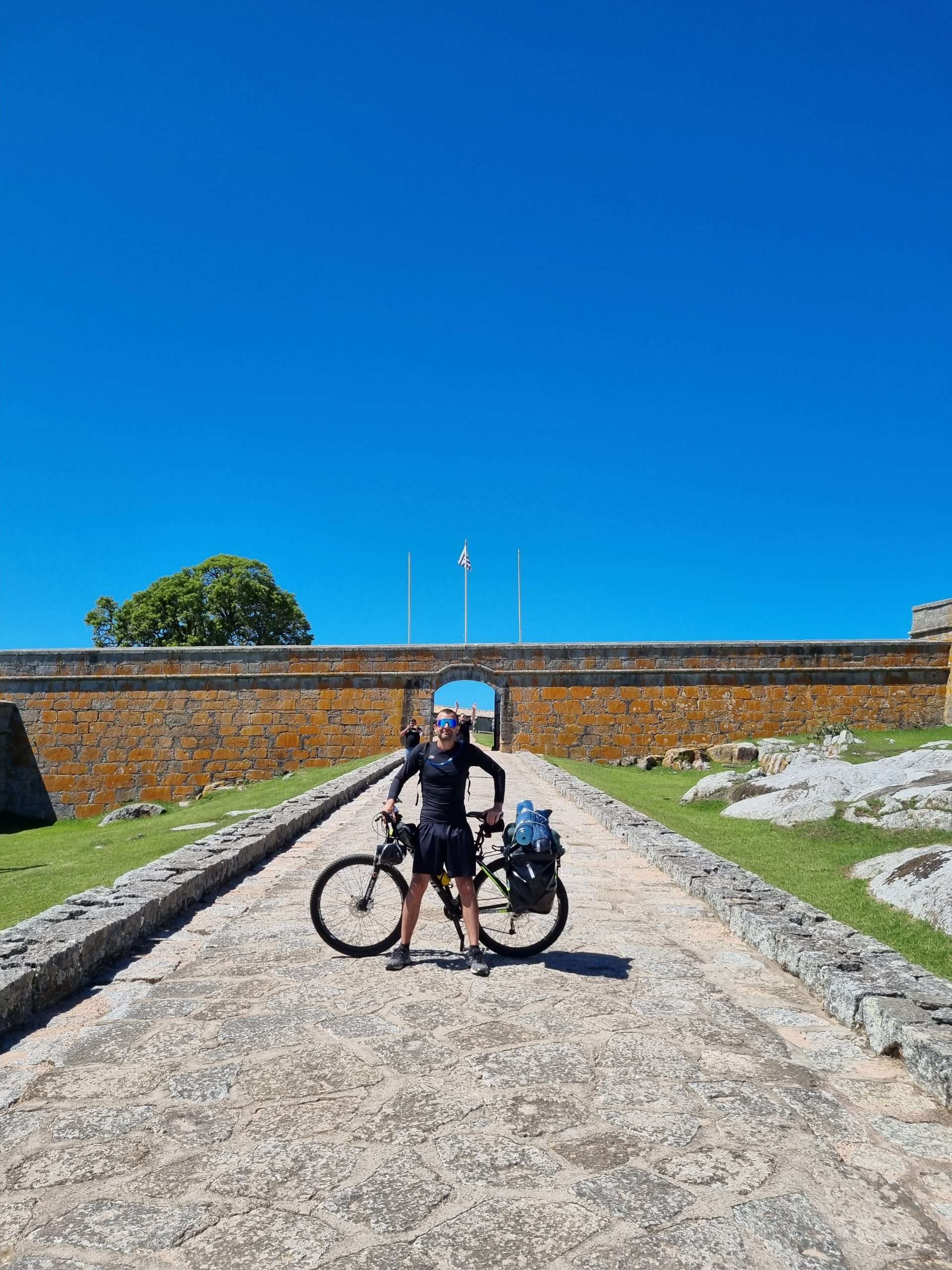
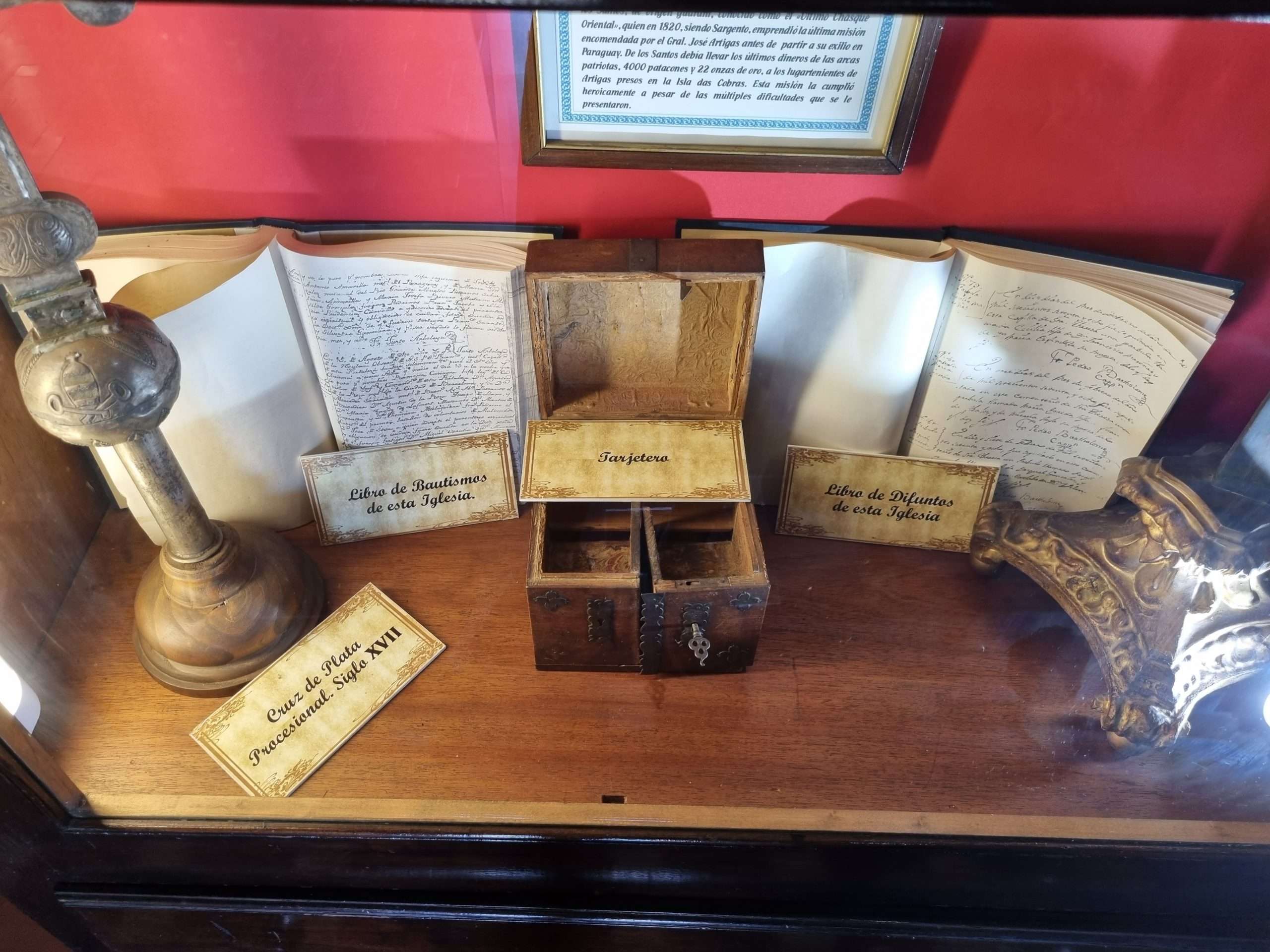
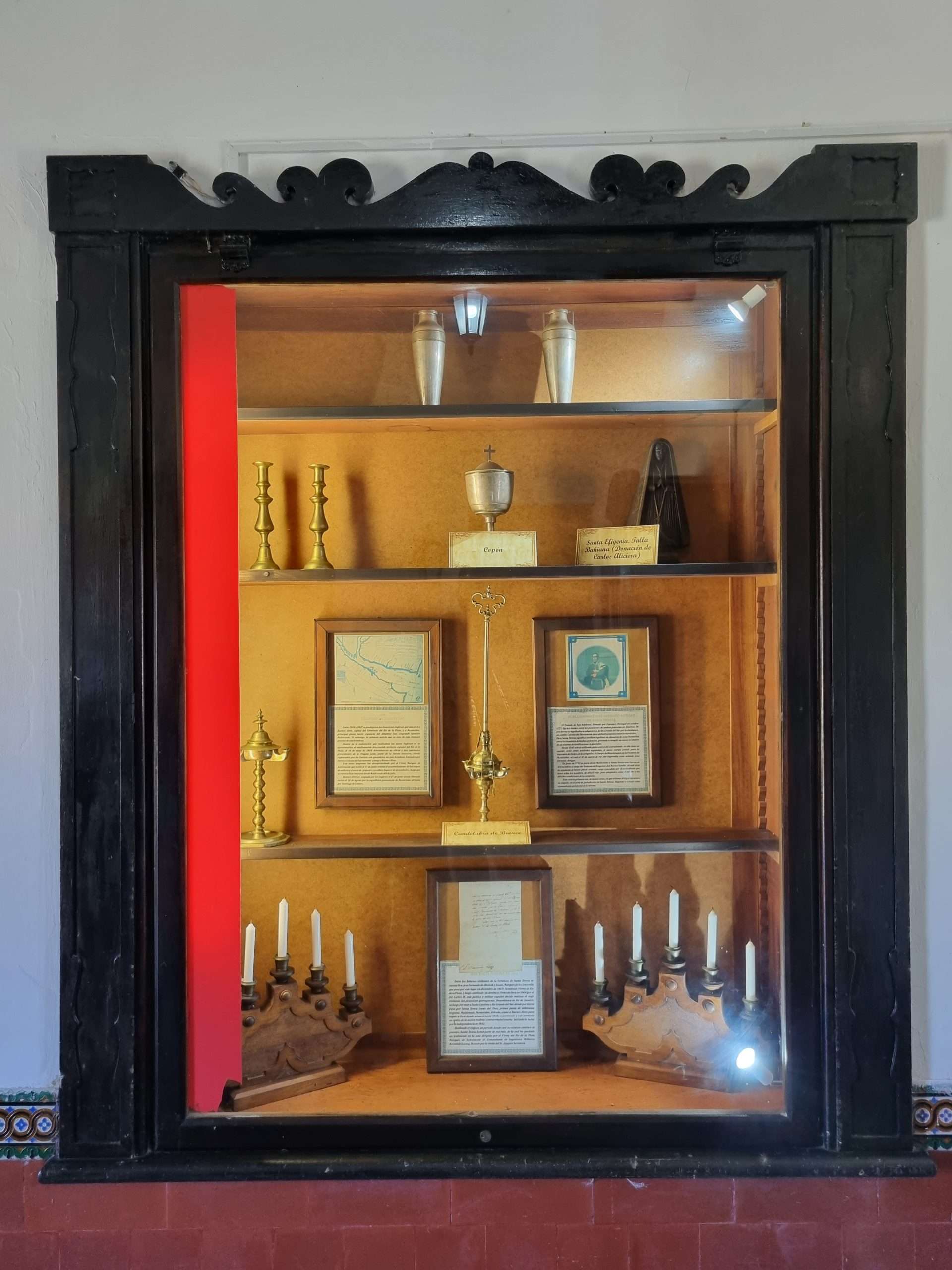
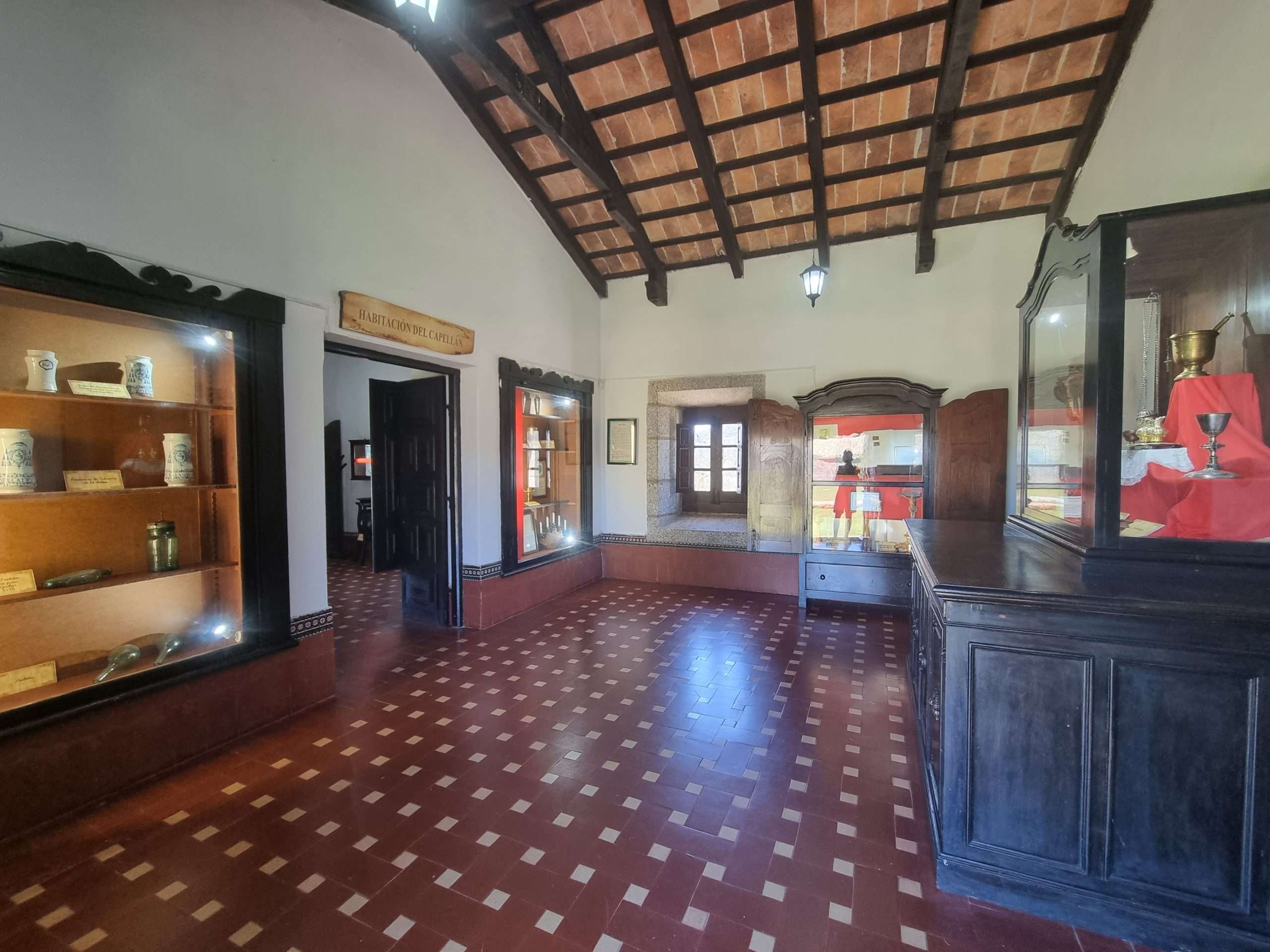
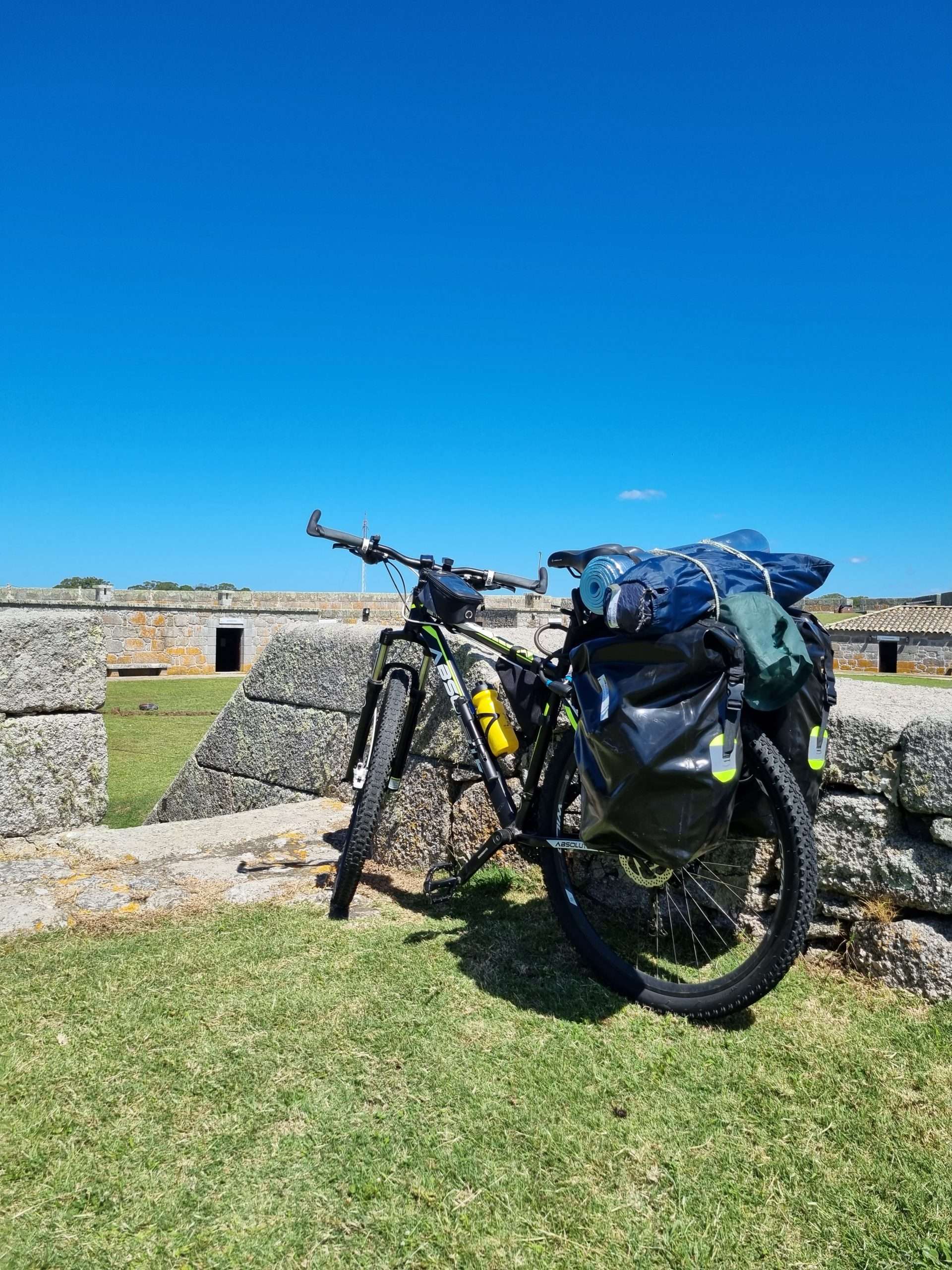
The day’s first stop was the Fortaleza de Santa Teresa, about 35 kilometers down the road. Every kilometer I covered gave me more confidence in what lay ahead. The Fortaleza de Santa Teresa is one of the most significant historical landmarks in Uruguay. It’s part of the Santa Teresa National Park, created to protect the fortress itself. Built as part of the Linea de Castillos Grande, established under the Treaty of Madrid in 1750, the fortress was designed to guard the Angostura Gorge.
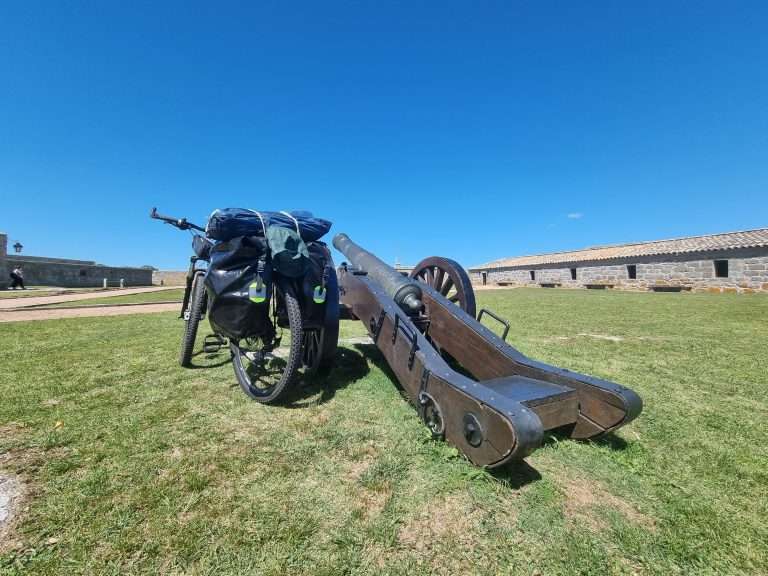
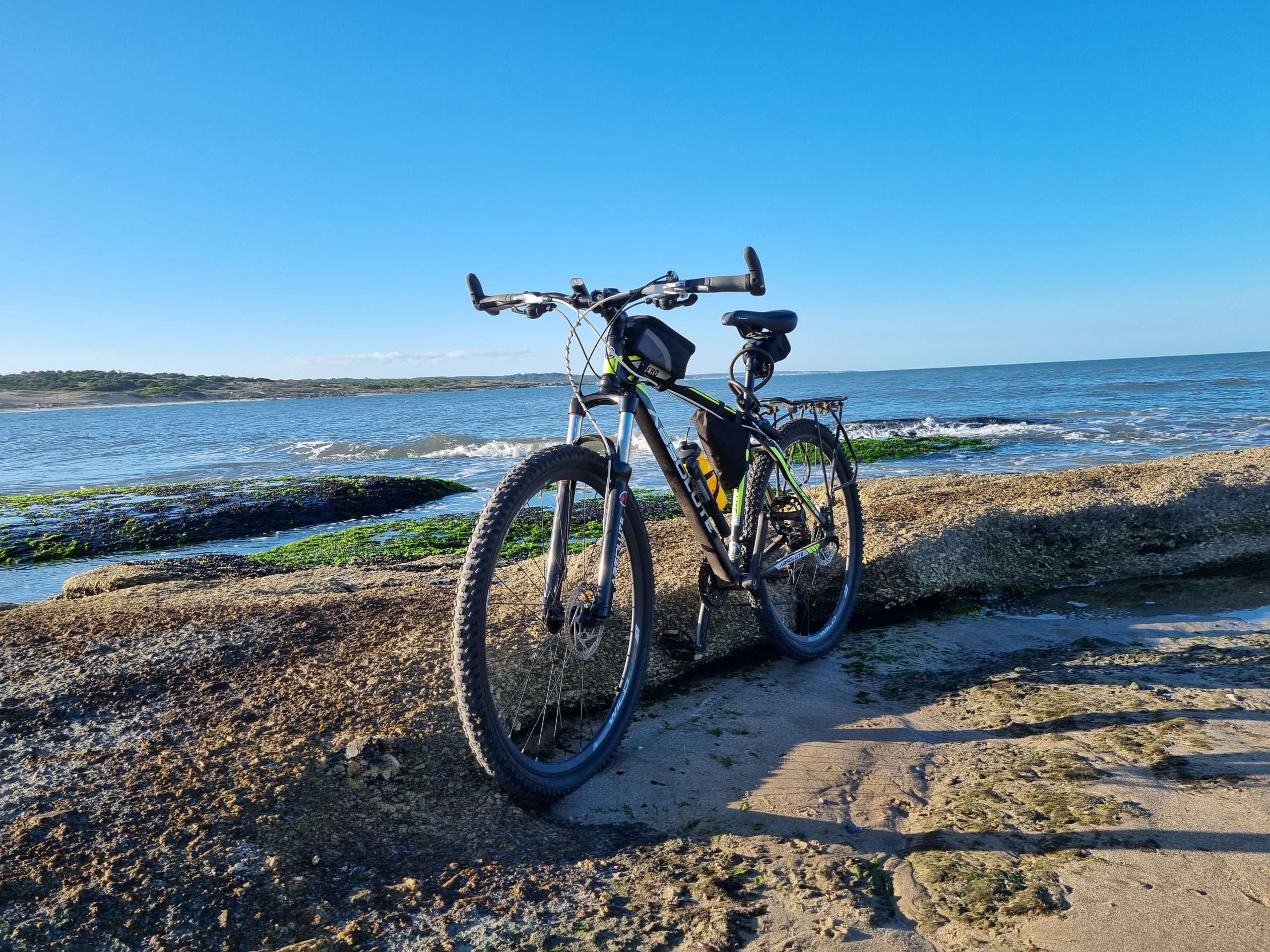
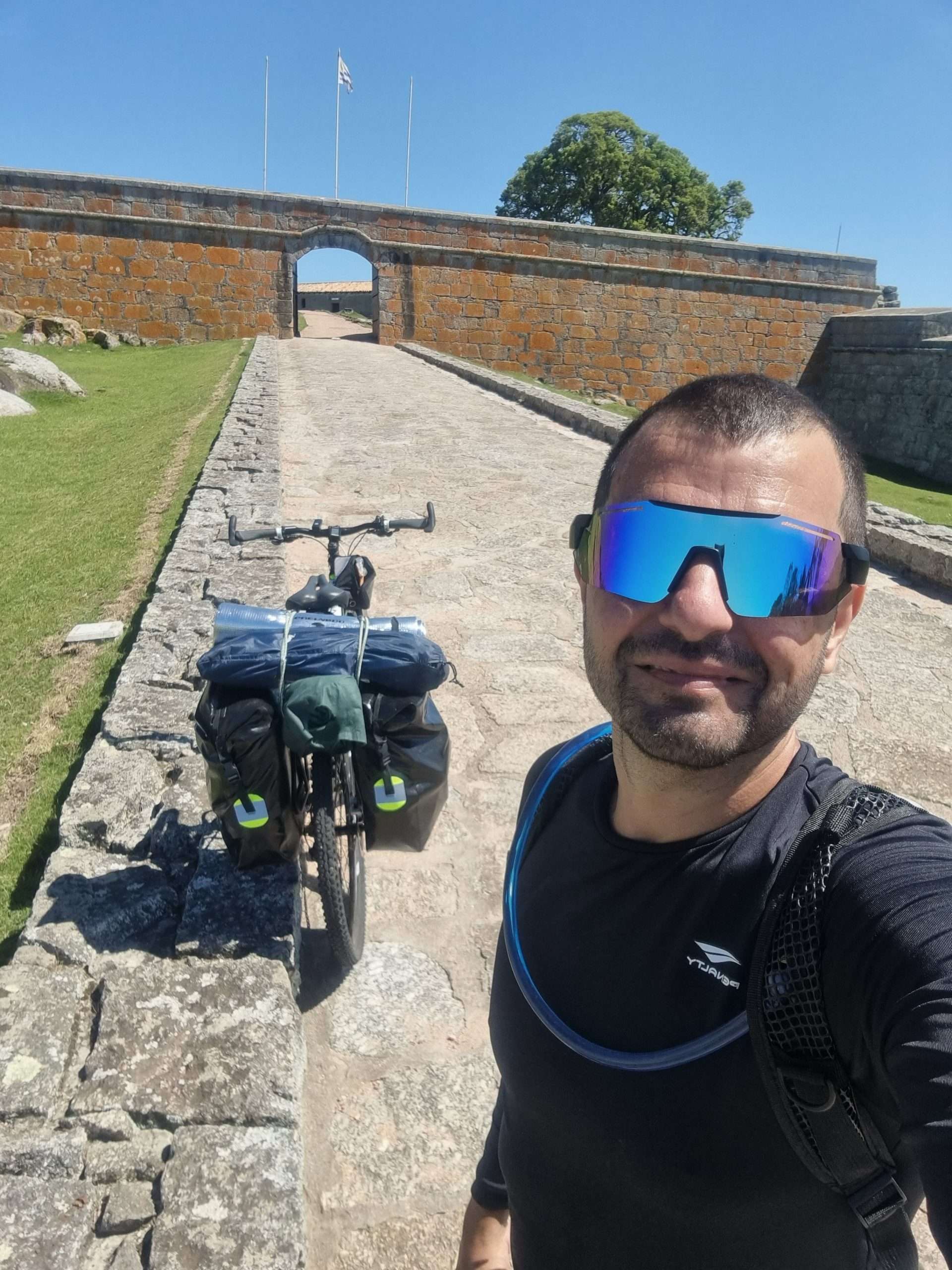
Upon arriving at the entrance, I was told that bicycles weren’t allowed inside the fortress. Not wanting to miss out, I explained my journey to the guard, emphasizing how meaningful this stop was to me. Moved by my story, he made an exception and let me enter with my bike. I took the opportunity to snap several photos of my bike alongside the cannons and other historical monuments—a special memory from the early days of this adventure.
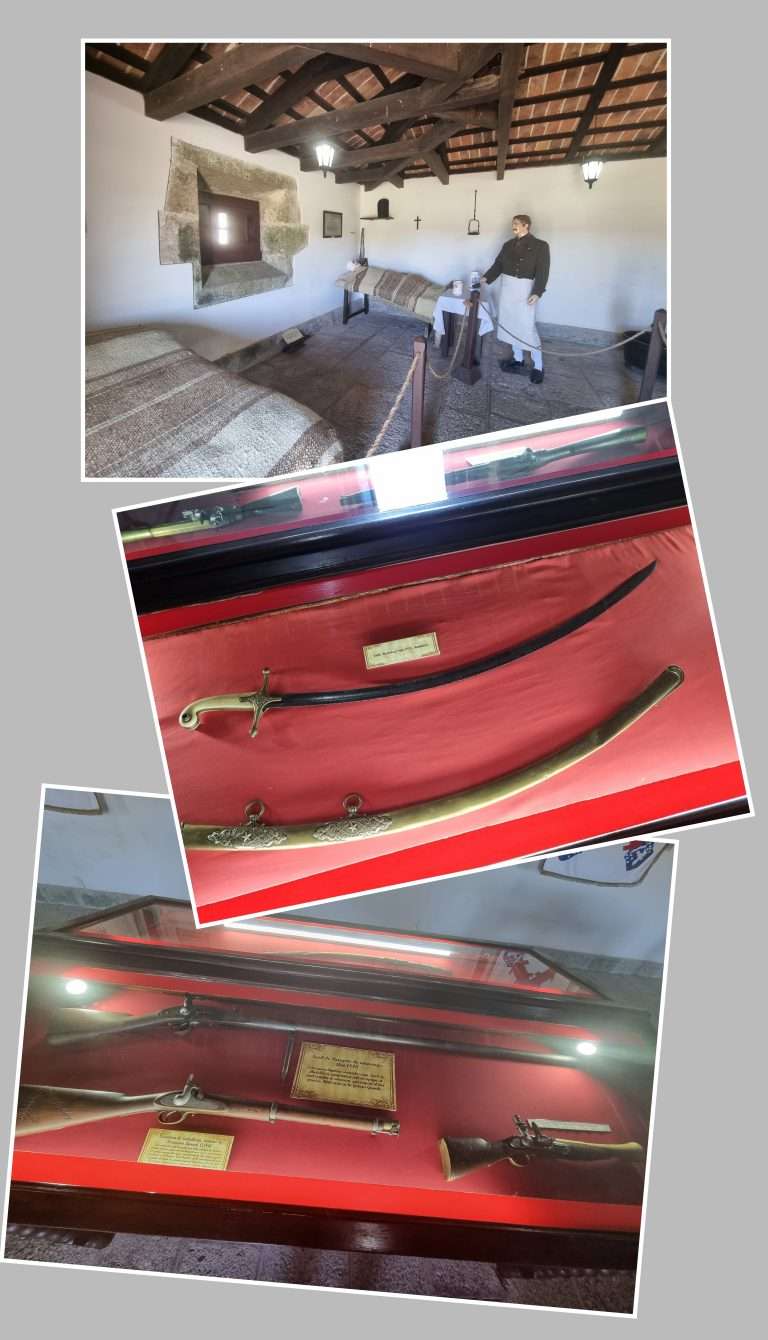
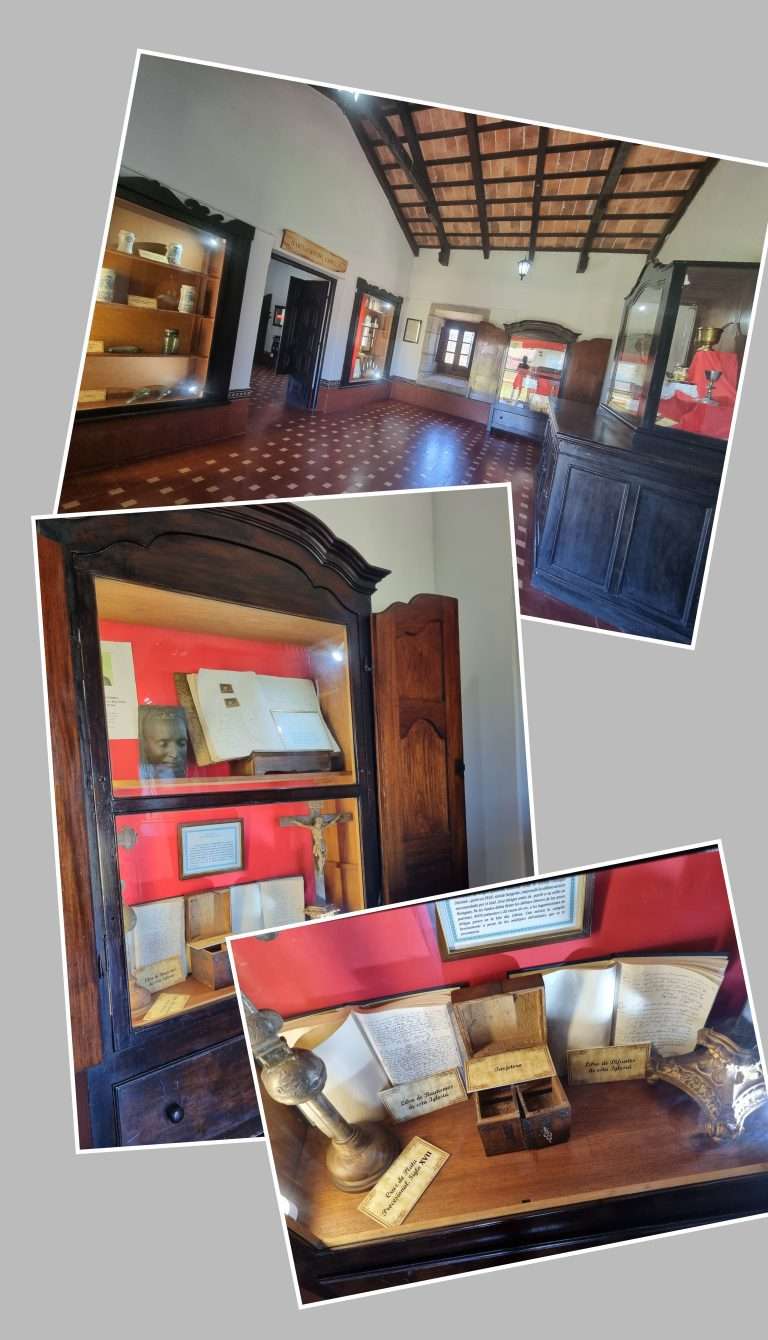
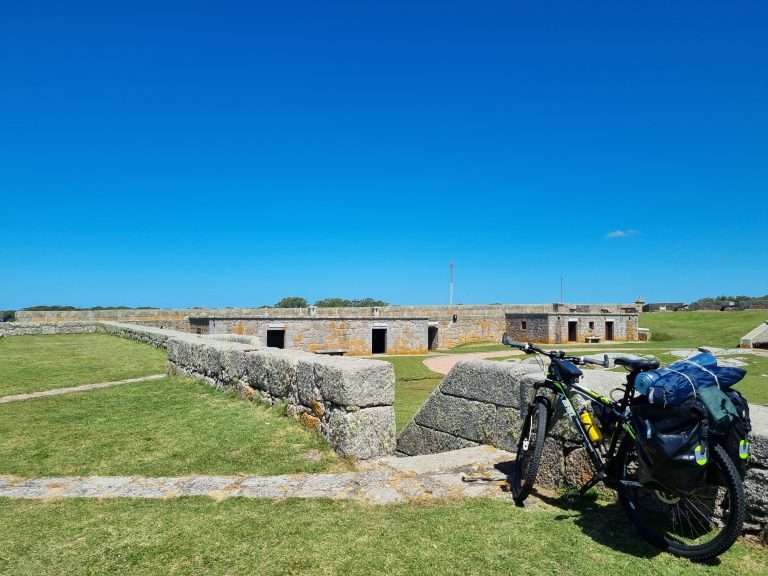
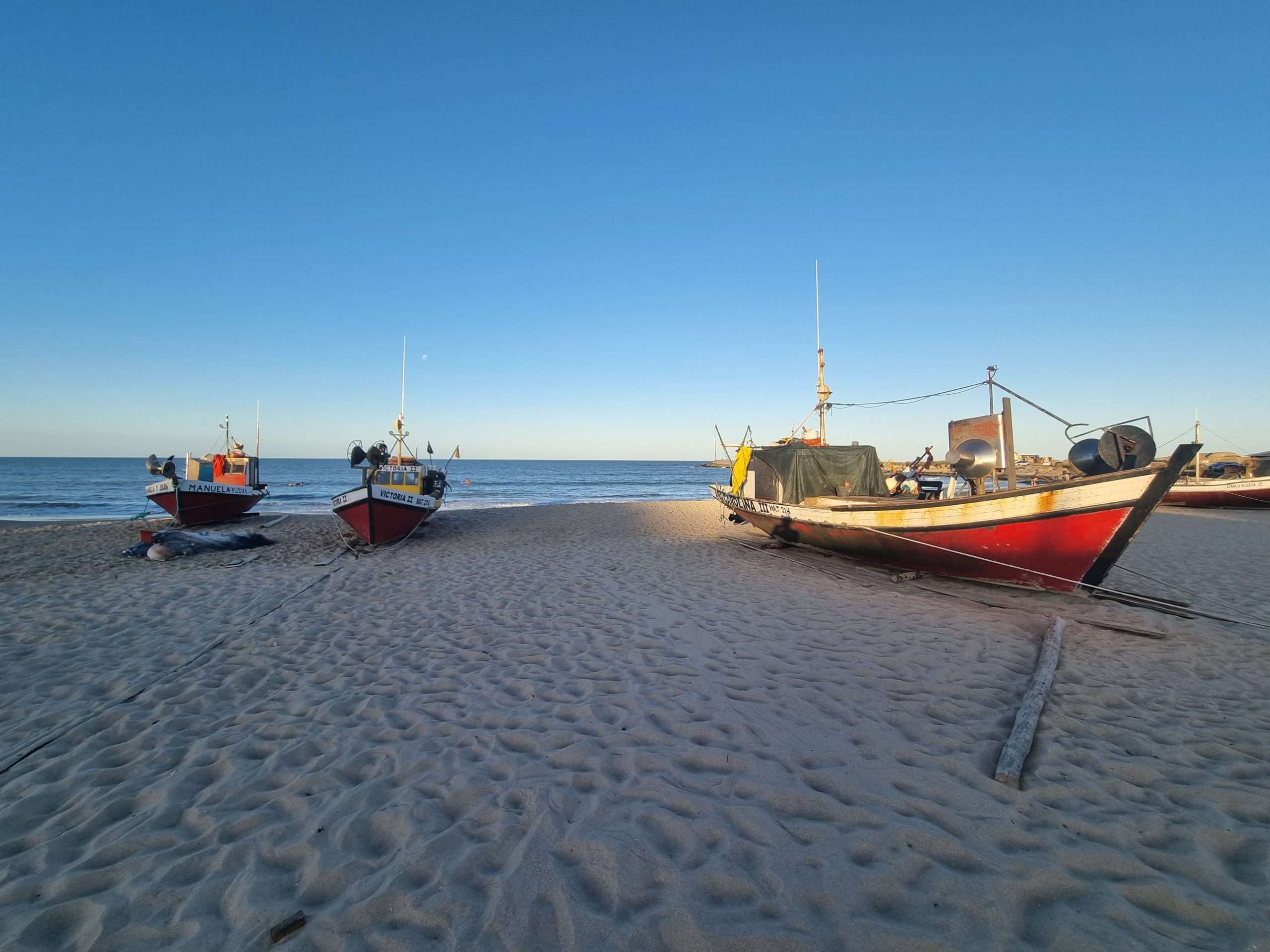
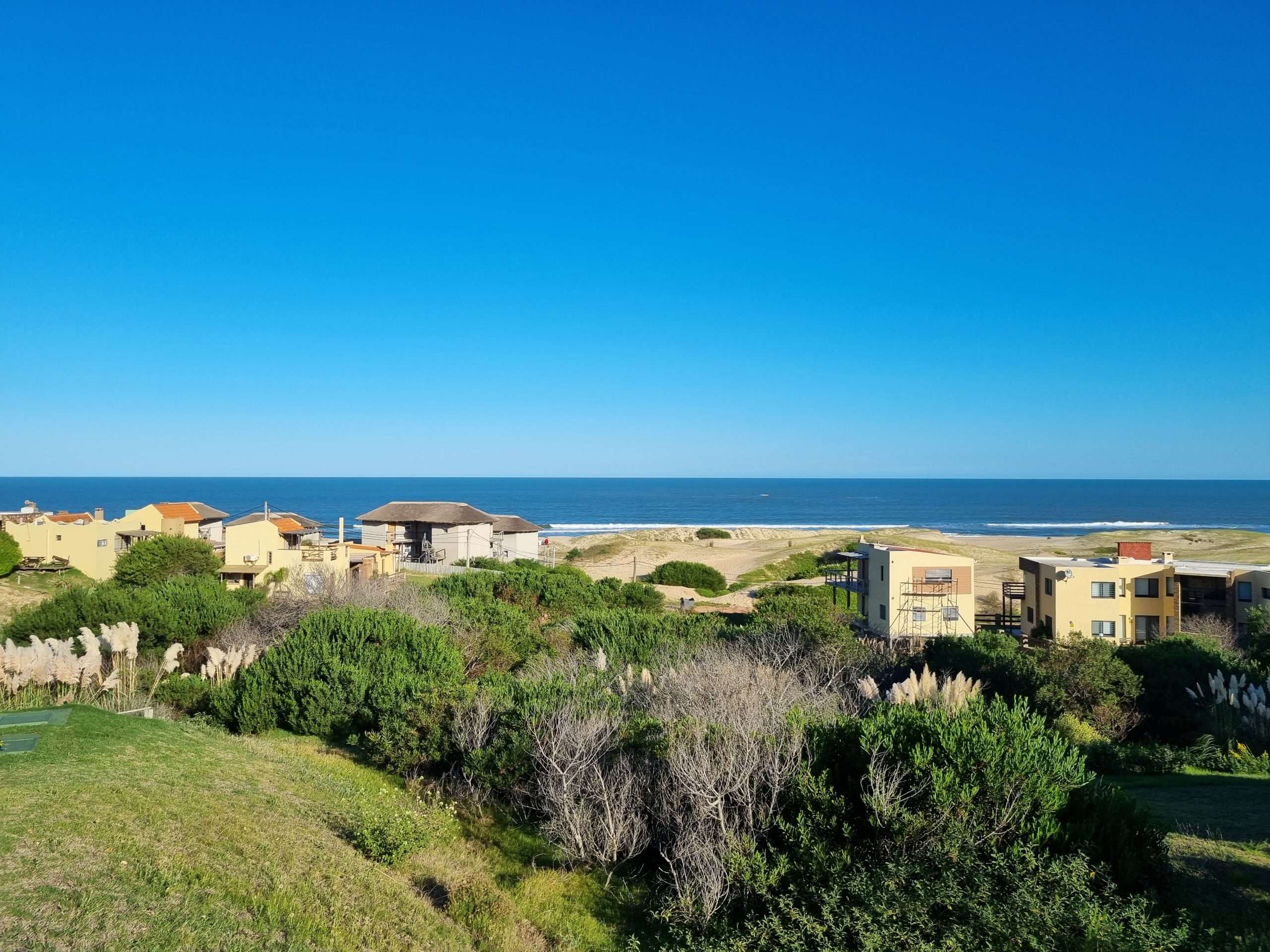
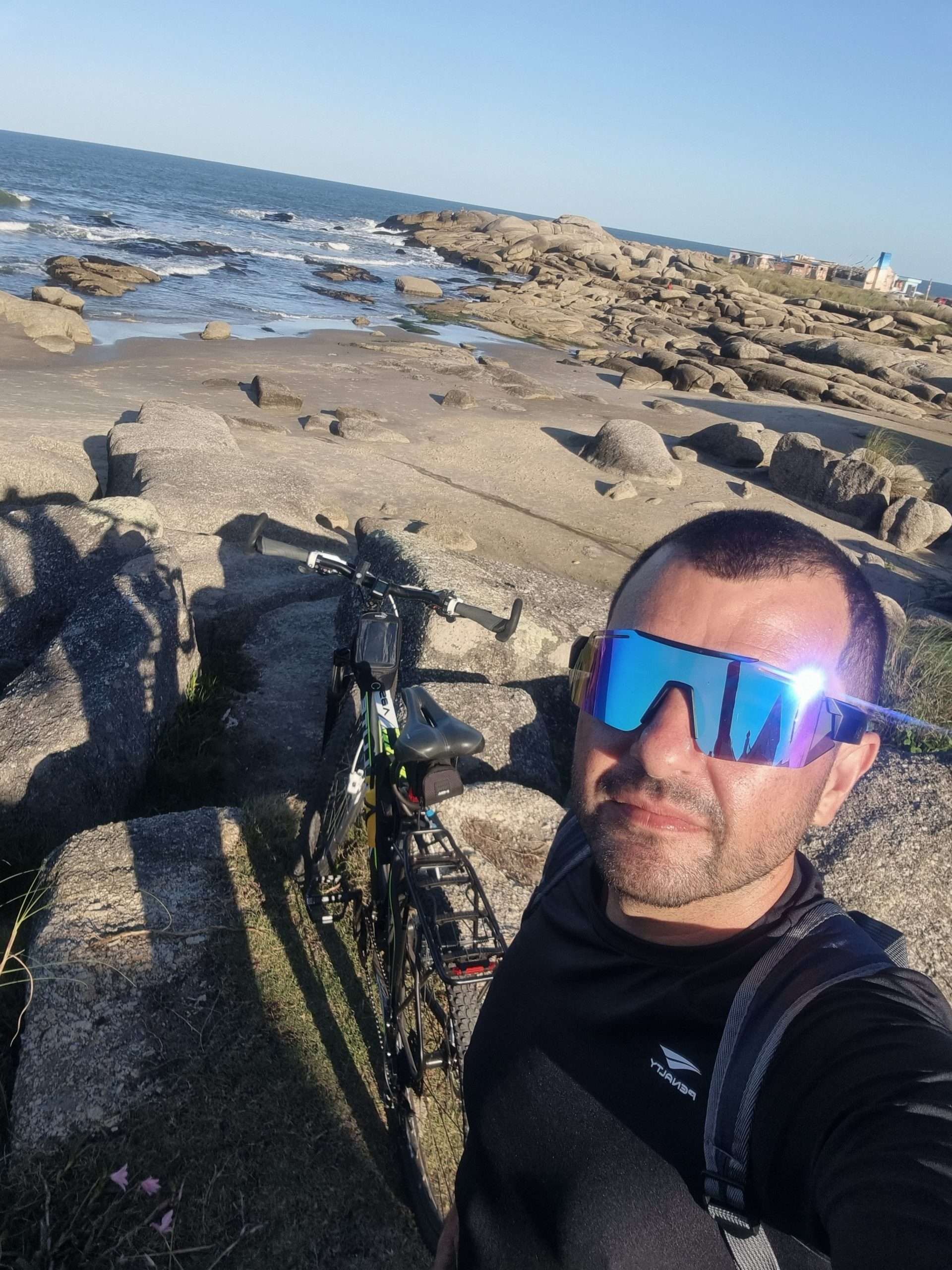
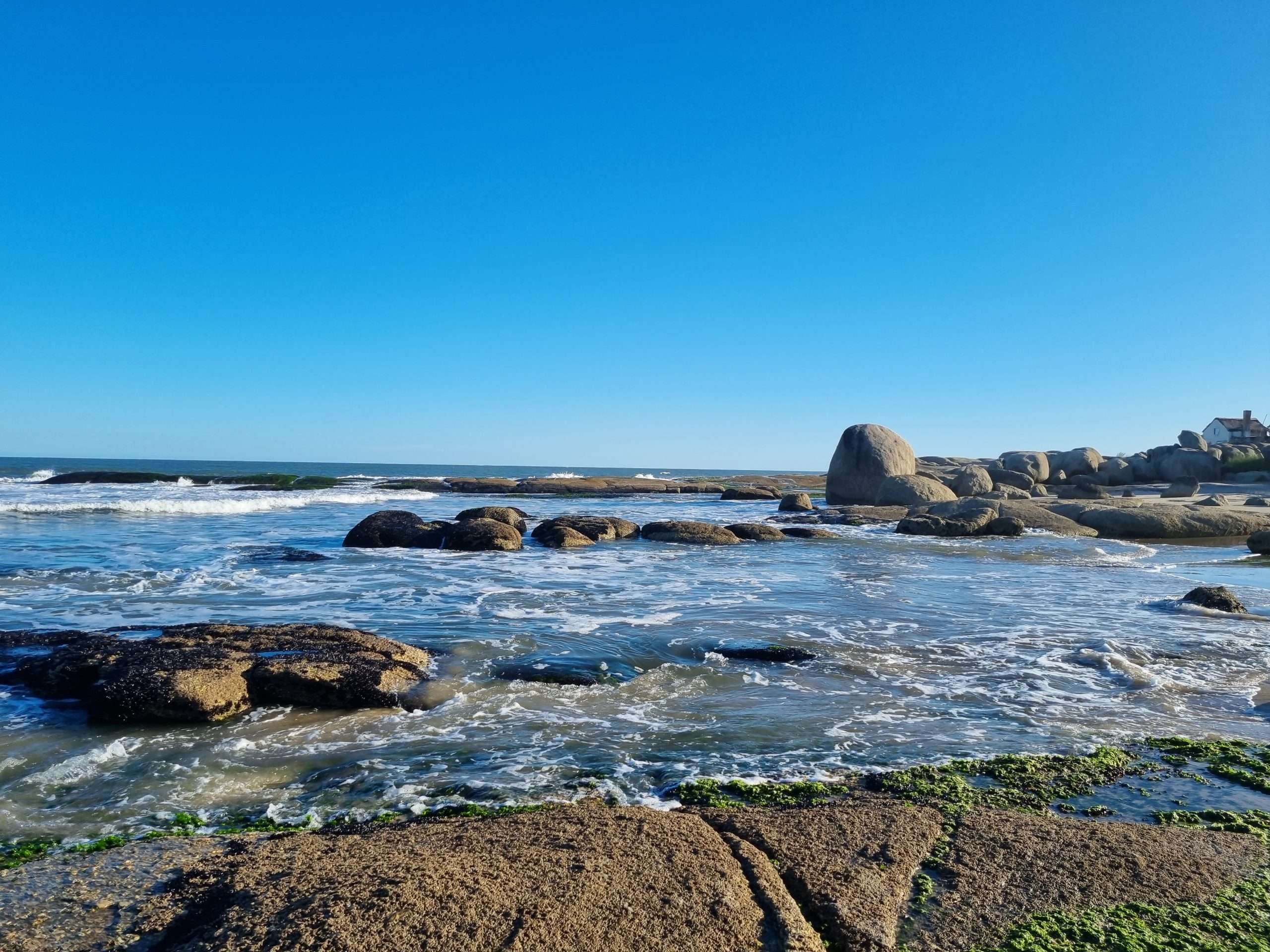
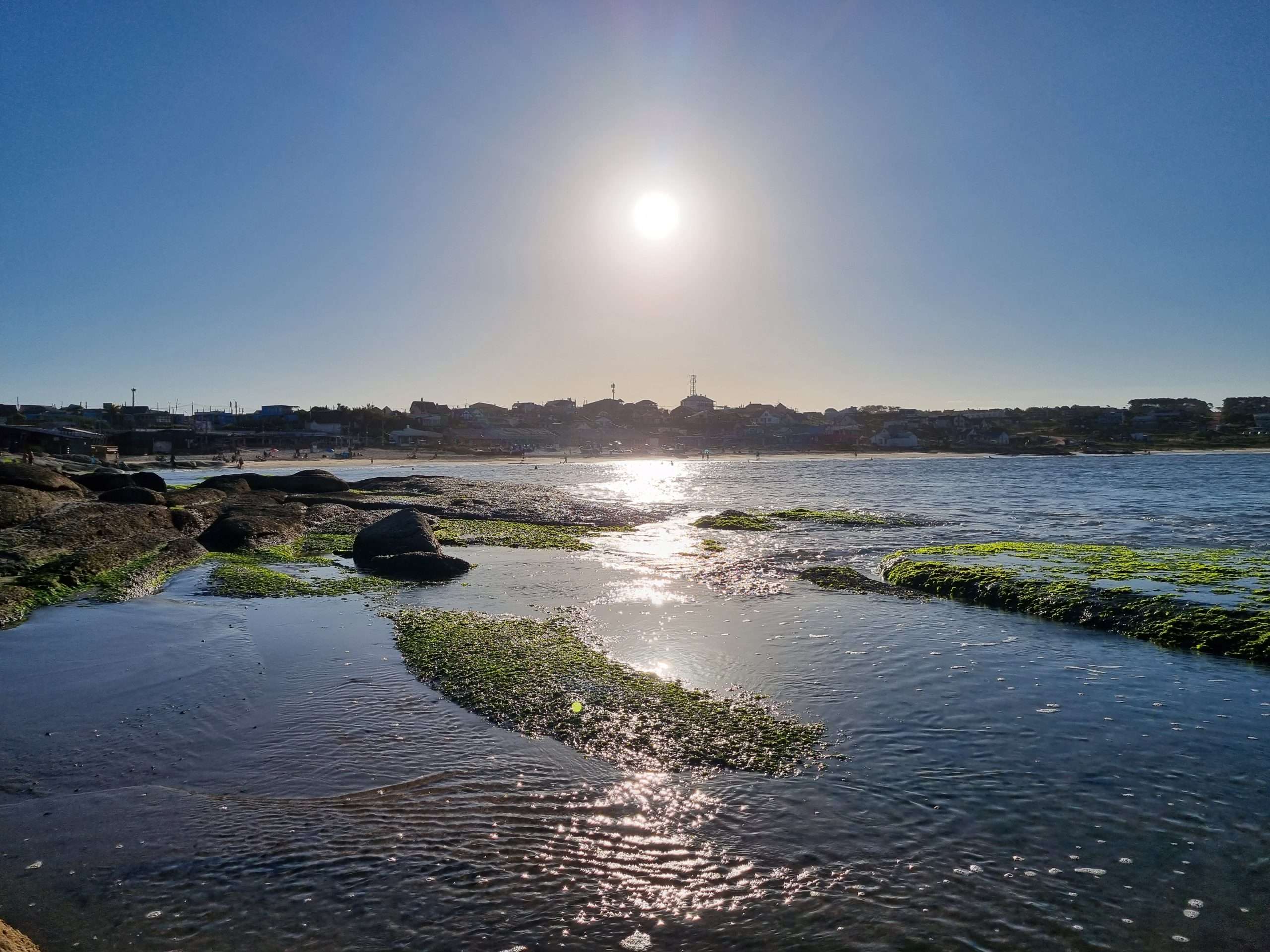
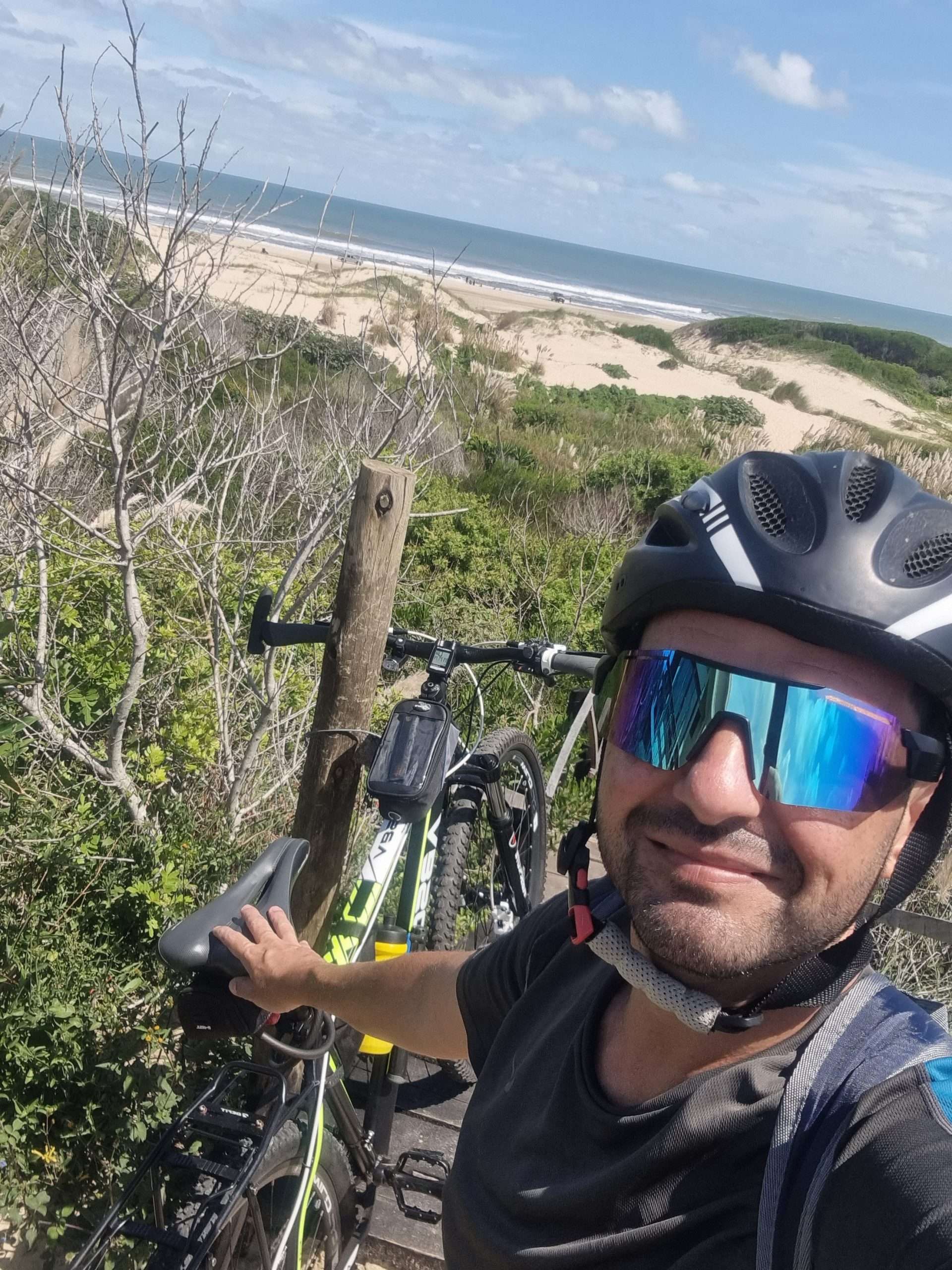
After refueling with some snacks, I returned to the road, pedaling the final 15 kilometers toward Punta del Diablo. The sun was already low in the sky by the time I arrived, and I could feel the exhaustion creeping in. Punta del Diablo greeted me with its sandy streets and colorful houses by the sea, a peaceful village that felt like a reward after a long day.
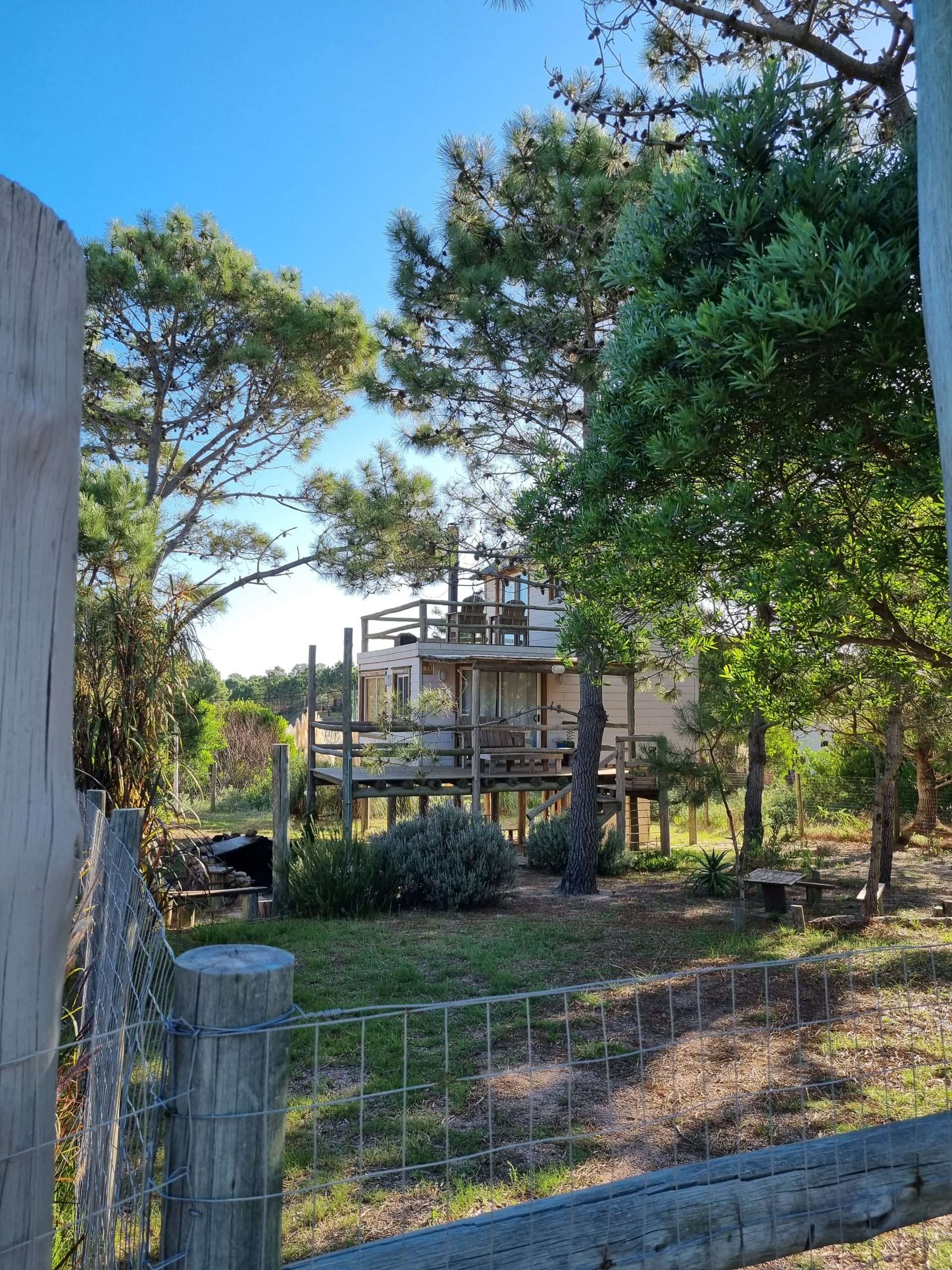
I made my way to Camping de la Viuda, where I would spend the next two nights. It was the perfect spot to rest, reflect on the journey so far, and gather energy for the days ahead.
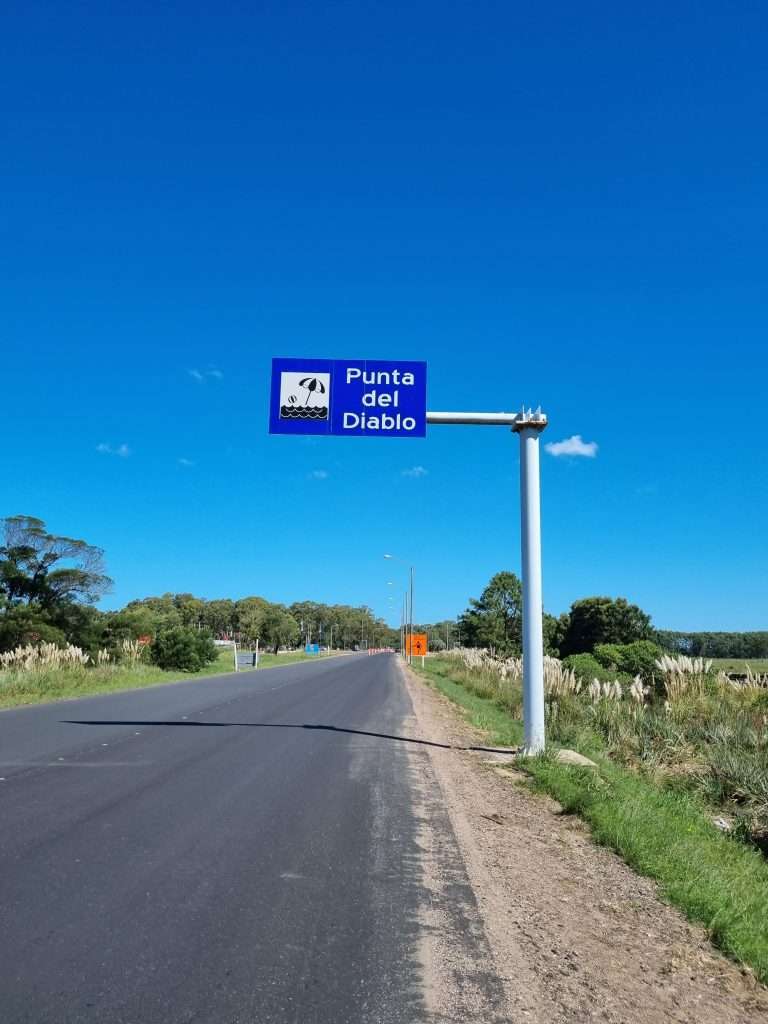
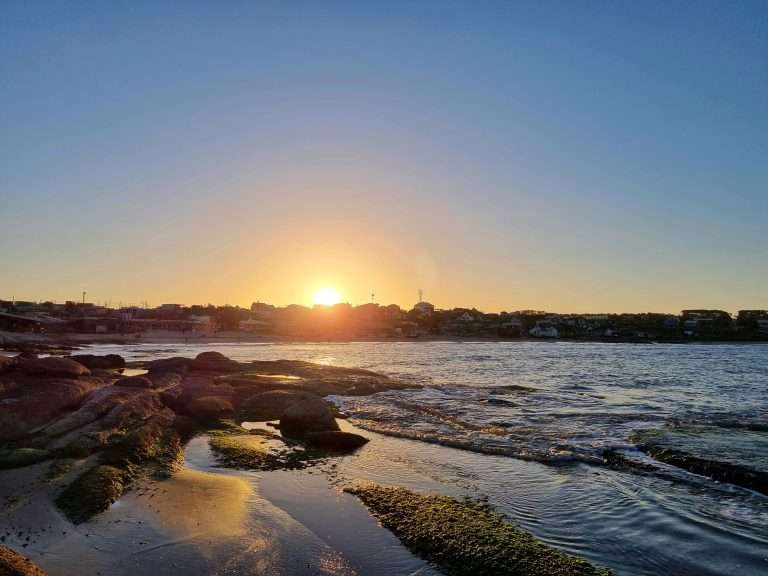
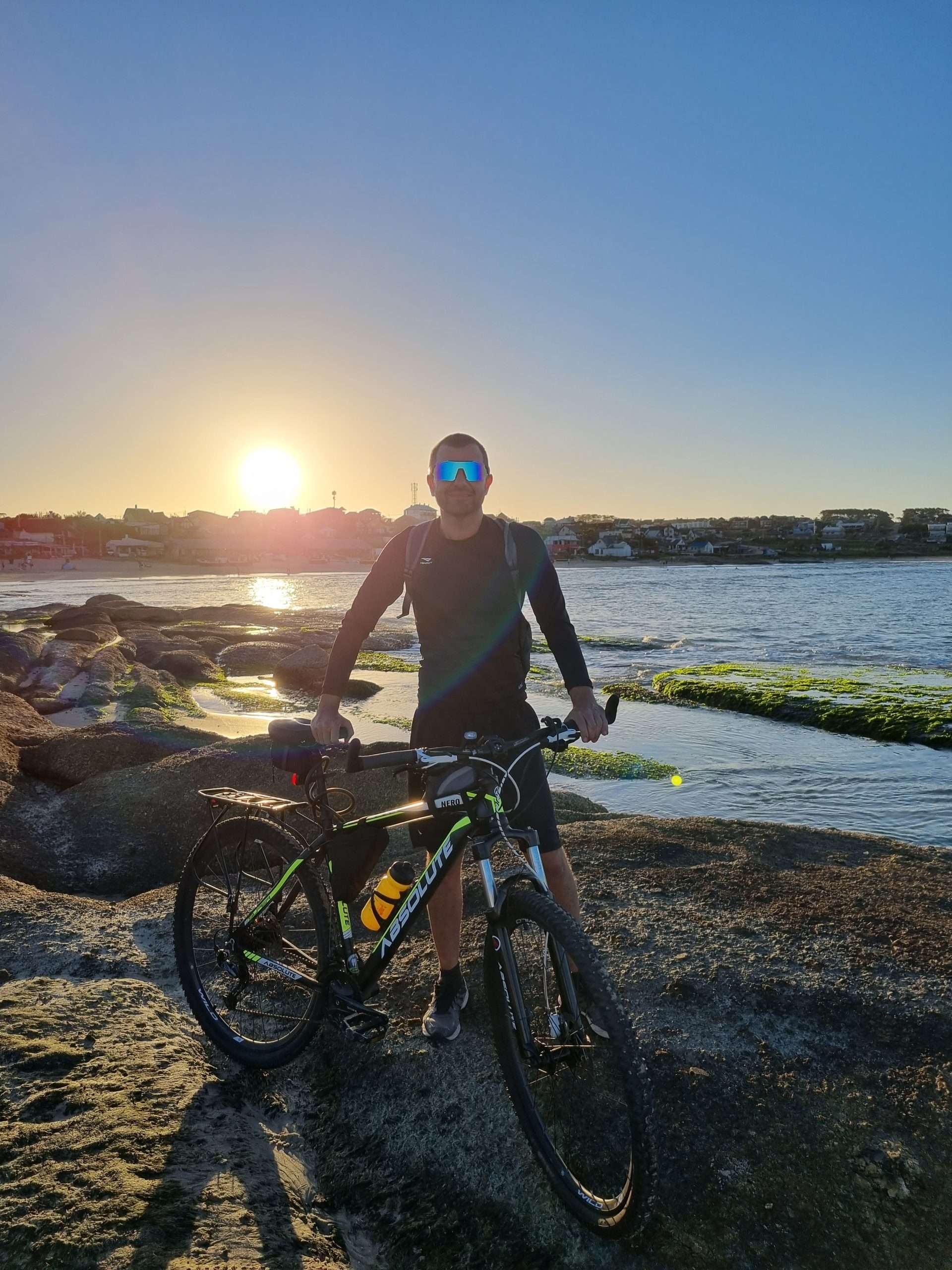
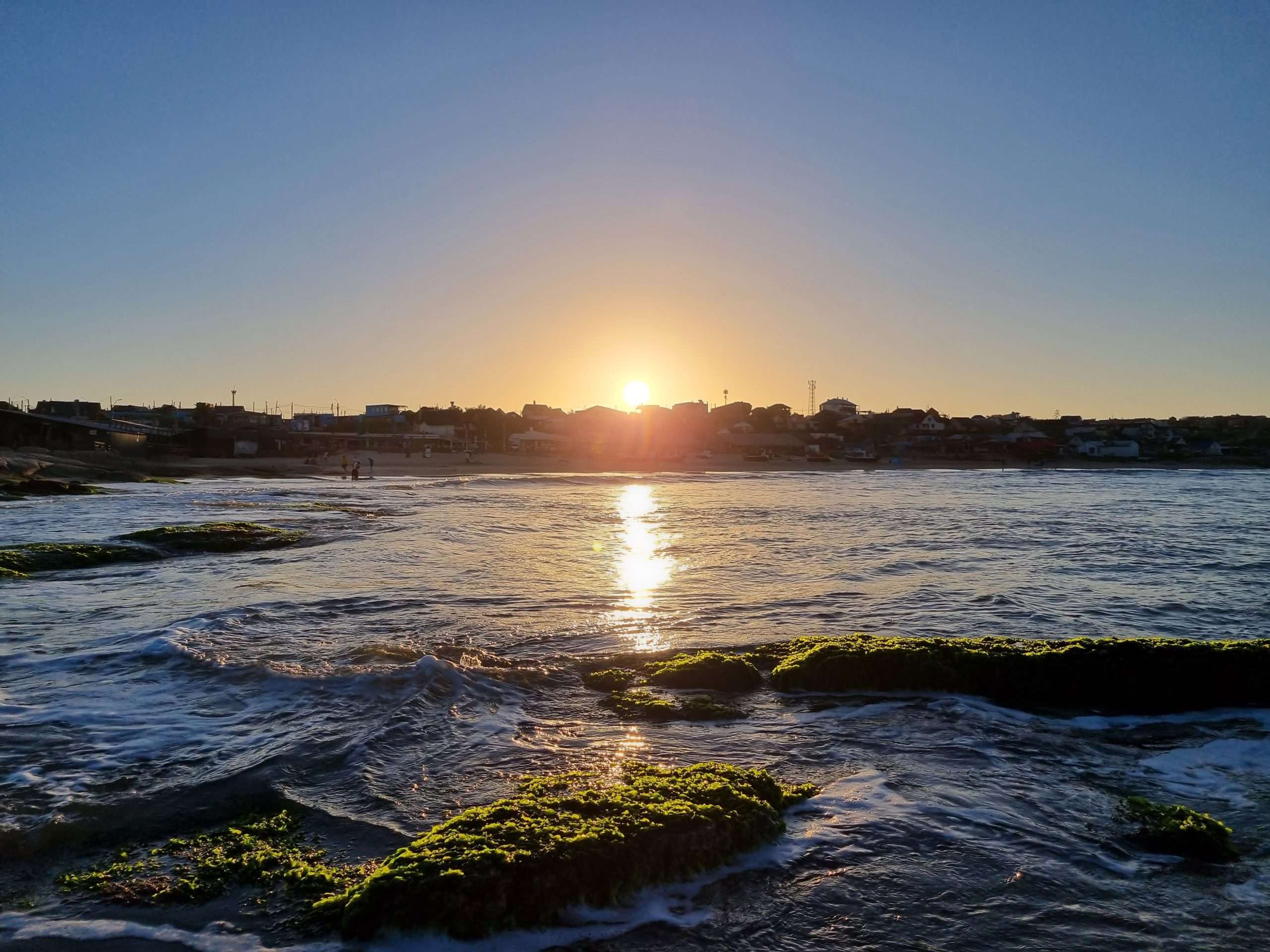
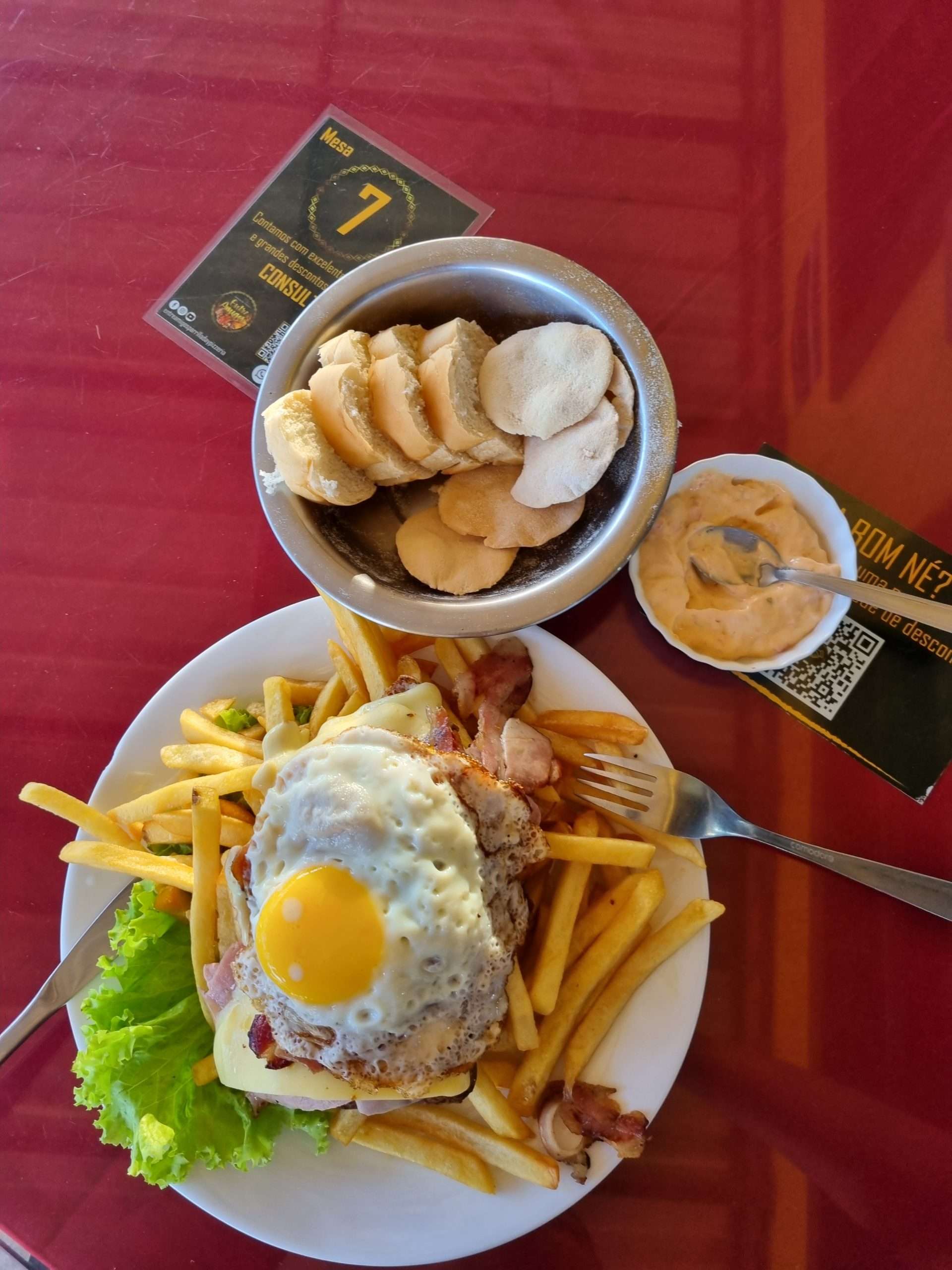
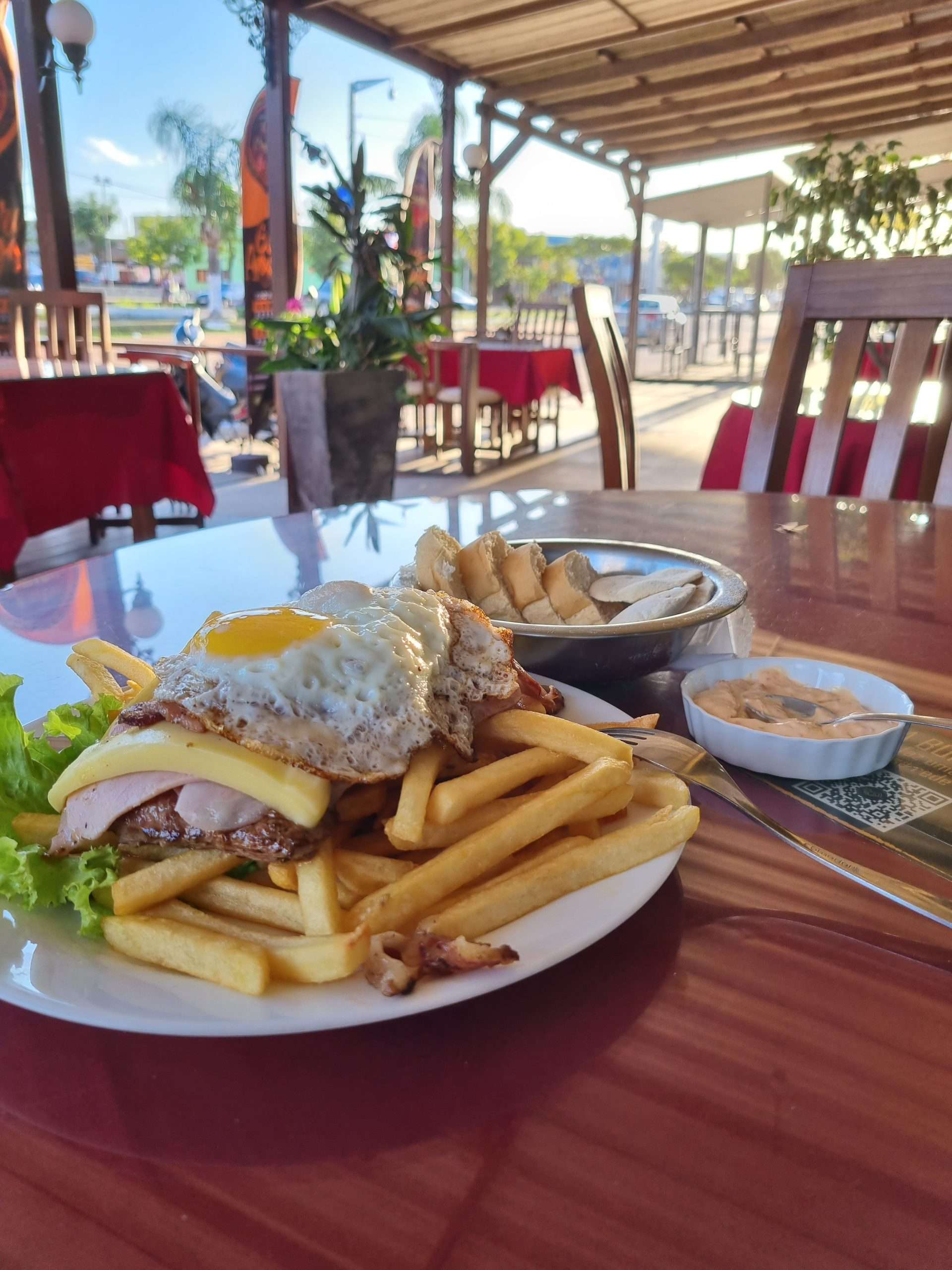
With some time left in the day, I treated myself to a late afternoon meal—a perfect Uruguayan dulce de leche, undoubtedly the best in the world. Feeling recharged, I headed to the beach to catch the final rays of the sun, capturing photos of Punta del Diablo’s beautiful landscapes as the day faded into an unforgettable sunset.
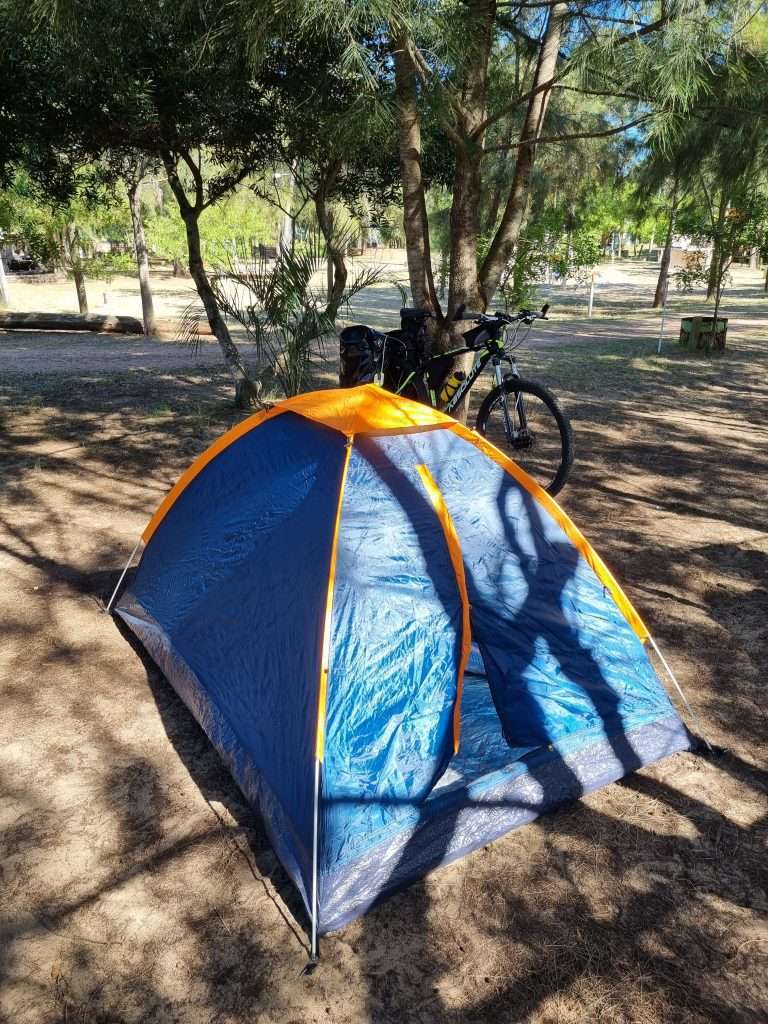
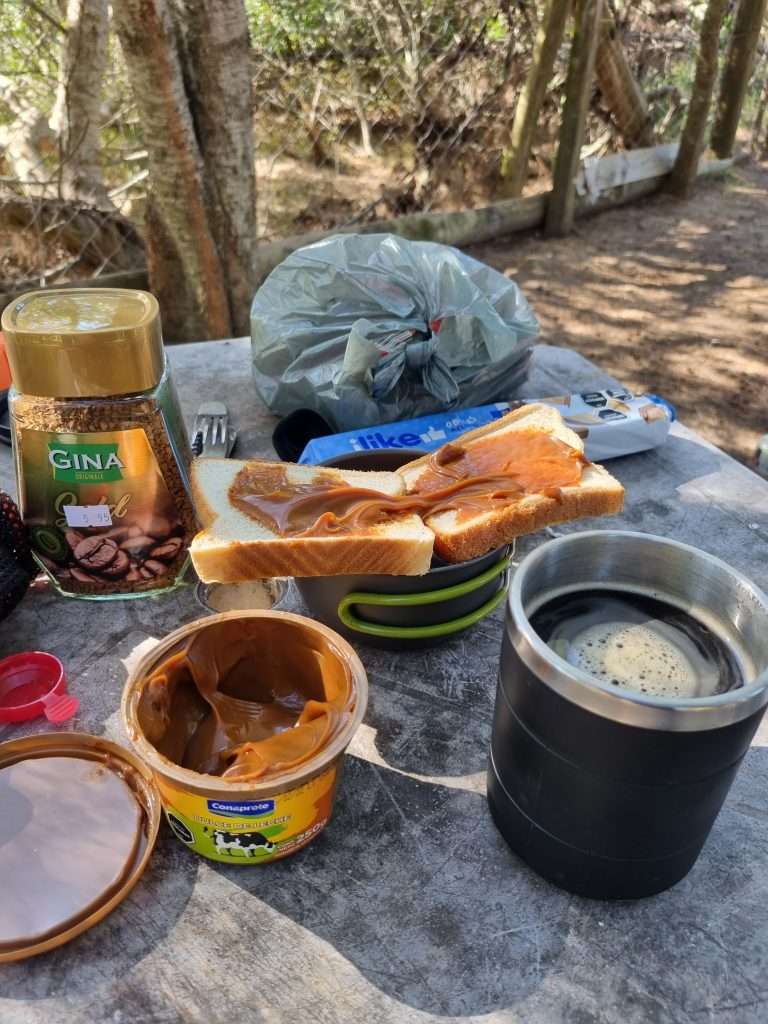
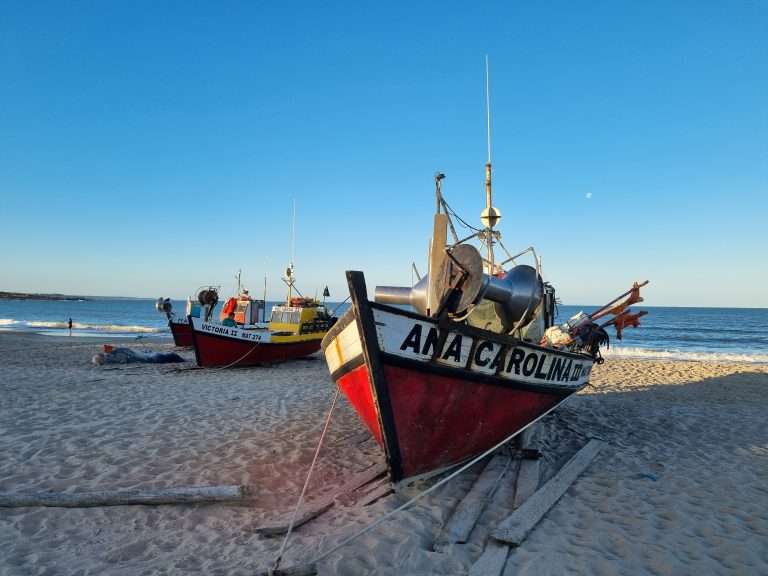
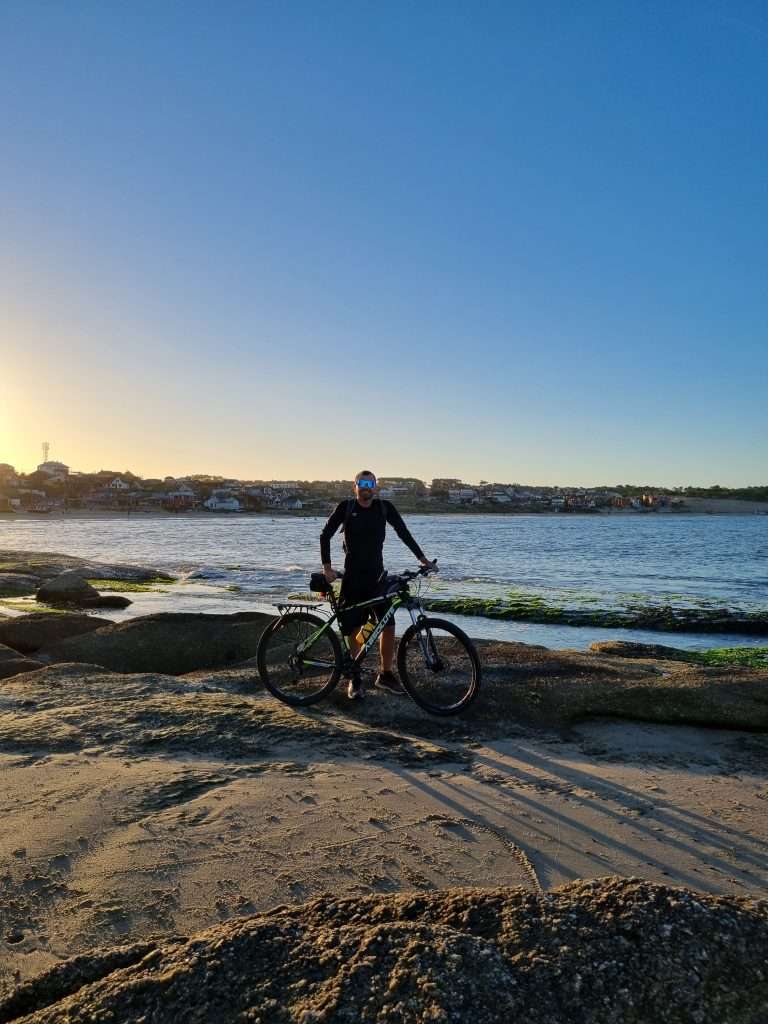
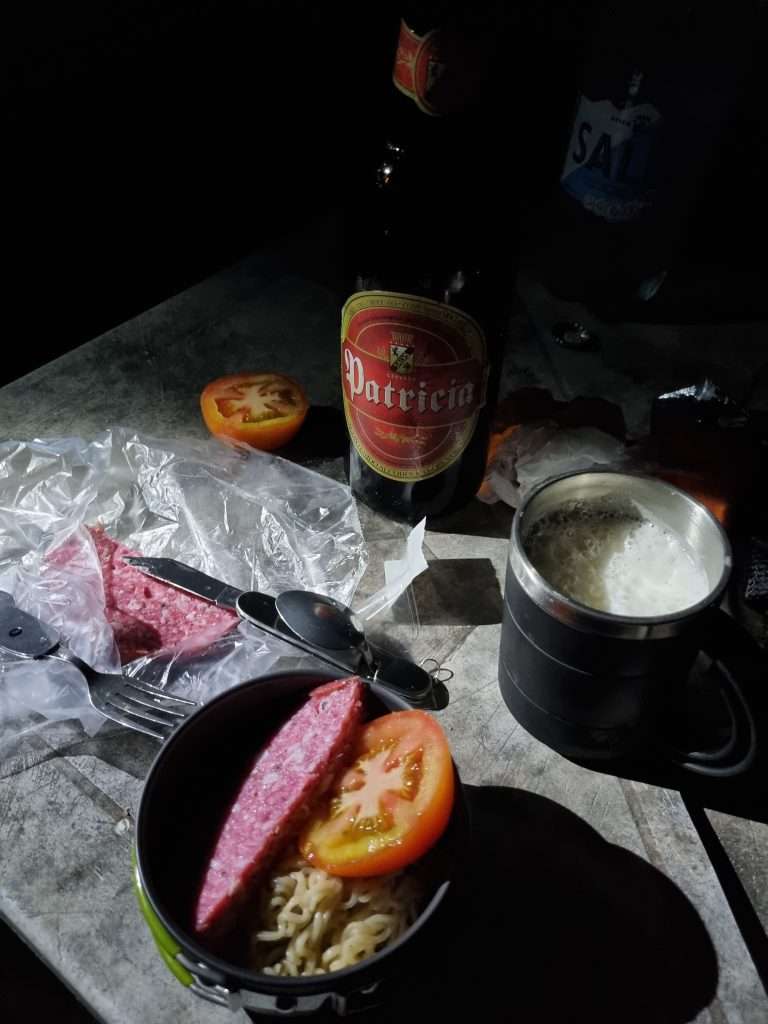
Back at the campsite, I prepared dinner using my mini stove, paired with a cold Patricia, a delicious Uruguayan beer. It was the perfect end to the day, as I looked forward to the next morning when I would explore the charming town of Punta del Diablo and embark on a short ride to revisit the Santa Teresa National Park.
Explore more:
🛠 Practical Information:
🚌 How to Get There
- Starting Point: Porto Alegre, Brazil
- Bus Company: Planalto
- Final Stop: Chui, Brazil
🕰 Visiting Hours and Entry Fee for Fortaleza Santa Teresa
- Location: Parque Nacional de Santa Teresa, Uruguay
- Contact:
- 📞 Phone: +598 4474 6541
- ✉️ Email: museosfortif@hotmail.com
- Visiting Hours:
- High Season (Dec 1 – Mar 1): Daily, 10:00–18:00
- Low Season: Daily, 10:00–18:00
- Entry Fee:
- 💲 50 Uruguayan Pesos per person
- 👶 Children under 12 and 👴 adults over 65 enter free
- 💡 Payment only in Uruguayan Pesos
🏕 Camping Information
- Campground: Camping de La Viuda